

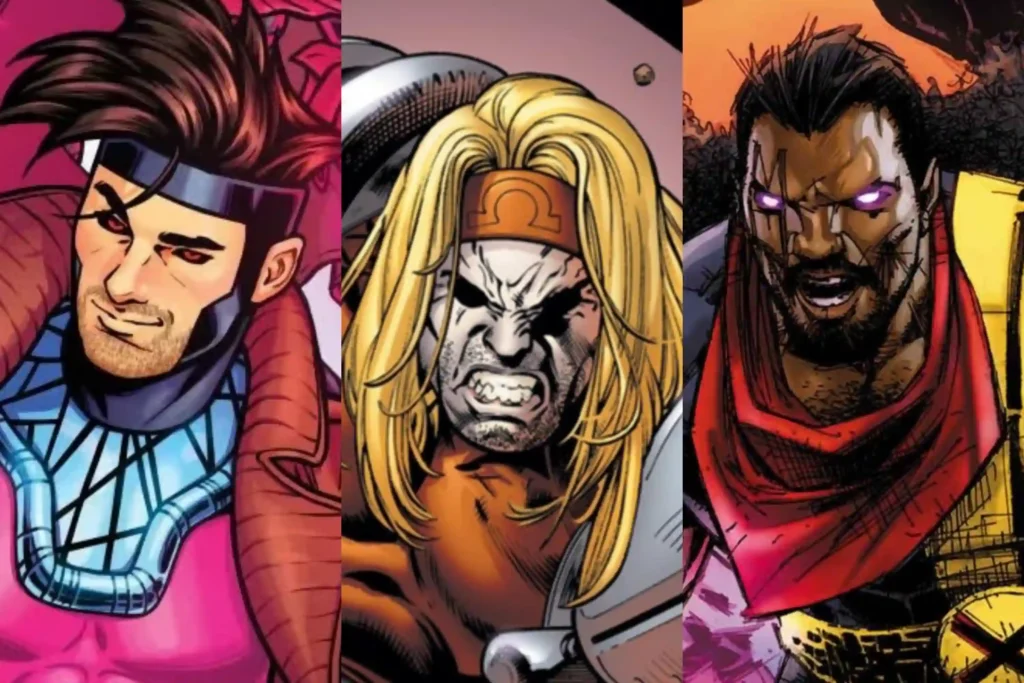
Listen up. If you’re here for a surface-level list of Marvel characters some guy illustrated once, you’re in the wrong chair.
Jim Lee is a titan, a seismic rupture in Marvel’s artistic history. He arrived in the late 1980s when comics needed visual theatre, and he delivered visual catastrophe in the best possible way. His work shaped an era.
What you’re about to read is proof that good design changes pop culture. When Lee stepped onto Uncanny X-Men, the style of superhero art everywhere shifted: characters got sleeker, bolder, more kinetic, and way more merch-ready.
Let’s rip into the good stuff.
Jim Lee’s Real Superpower: Making Characters Instantly Merch-Ready
Here’s something people rarely say out loud, even though it’s painfully obvious once you notice it.
Jim Lee designs characters like someone who understands capitalism.
That’s not a dig. That’s a compliment.
His Marvel characters were built to survive outside the page. Clean silhouettes. Readable costumes. Visual hooks that still work when shrunk down to an action figure, a trading card, or a lunchbox your mom absolutely did not want to buy.
Look at Gambit again. The trench coat. The glowing eyes. The head sock that somehow works. None of that is accidental. It’s modular design before the term became trendy. You can strip pieces away and the character still reads instantly.
Same deal with Omega Red. Those coils aren’t just scary. They’re recognizable from across the room. You could see his outline in a shadow and know exactly who’s about to ruin Wolverine’s day.
This is why Jim Lee’s Marvel characters age better than a lot of 90s creations that feel trapped in their decade. Strip away the pouches and shoulder pads and the core designs still hold up. That’s rare. That’s skill.
The Marvel Heavy Hitters Lee Helped Create
Below are the major Marvel characters that Jim Lee co-created (usually as artist alongside writers like Chris Claremont or John Byrne).
Gambit (Remy LeBeau)
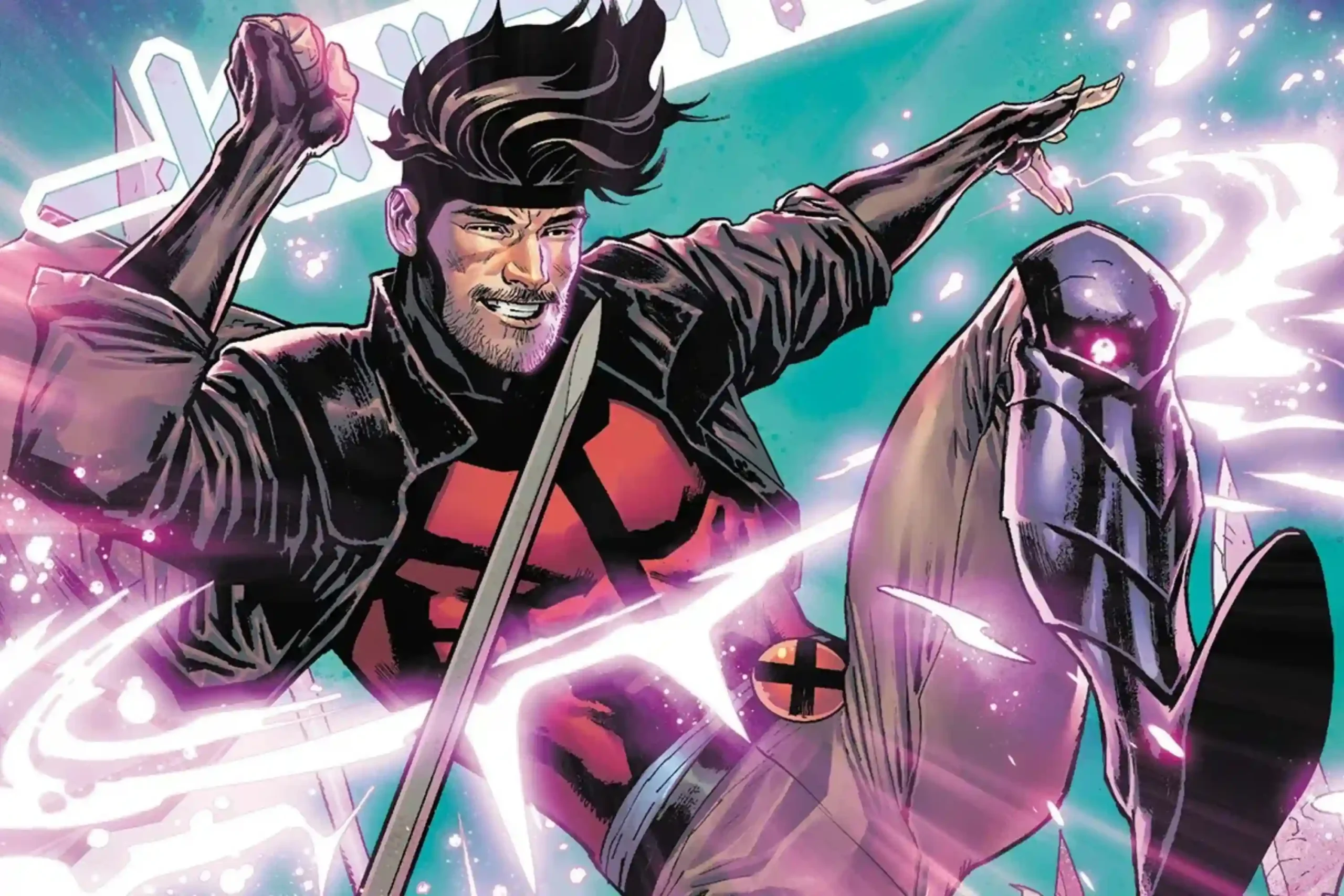
This one is the centerpiece of Jim Lee’s Marvel legacy.
- Debut: Uncanny X-Men Annual #14 / Uncanny X-Men #266
- Co-Creators: Chris Claremont (writer) and Jim Lee (artist)
- Why it’s important: Gambit’s slick Cajun charm, kinetic card powers, and eternal Rogue drama turned what could’ve been another X-Man into one of the most enduring and recognizable mutants in the history of Marvel.
You simply cannot talk about 1990s X-Men without Gambit. He is the embodiment of that era’s aesthetic and editorial energy.
Omega Red (Arkady Rossovich)
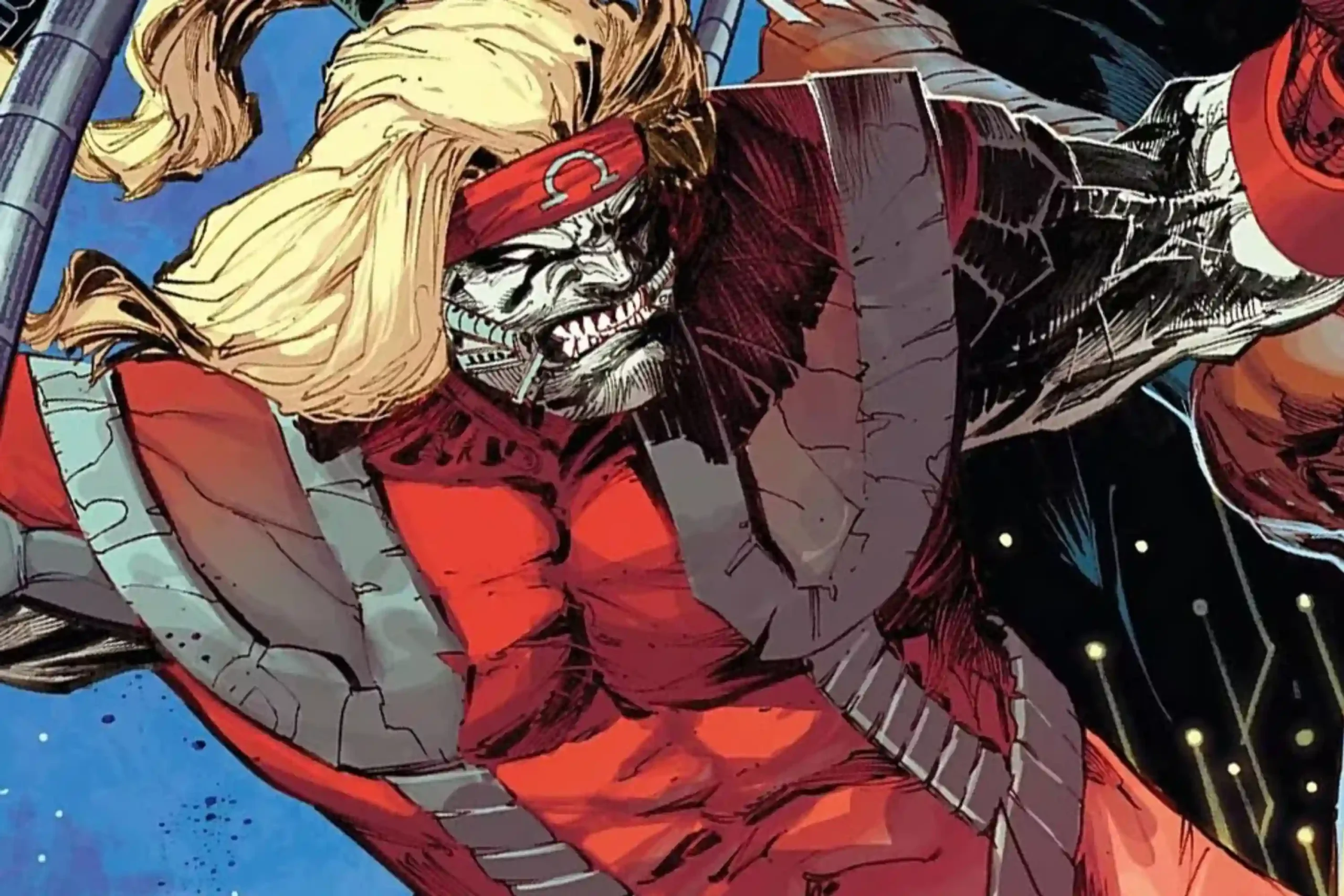
A villain worthy of Lee’s visual punch.
- Debut: X-Men (vol. 2) #4
- Co-Creators: Jim Lee (artist) and John Byrne (writer)
- Why it’s important: With his terrifying carbonadium coils and death-spore powers, Omega Red gave Wolverine a nemesis who wasn’t just muscles and attitude — he was a threat. He’s become a staple in X-Men villain rosters and is visually unforgettable.
This is the kind of villain that proves Lee knew how to make a threat look epic.
The Acolytes
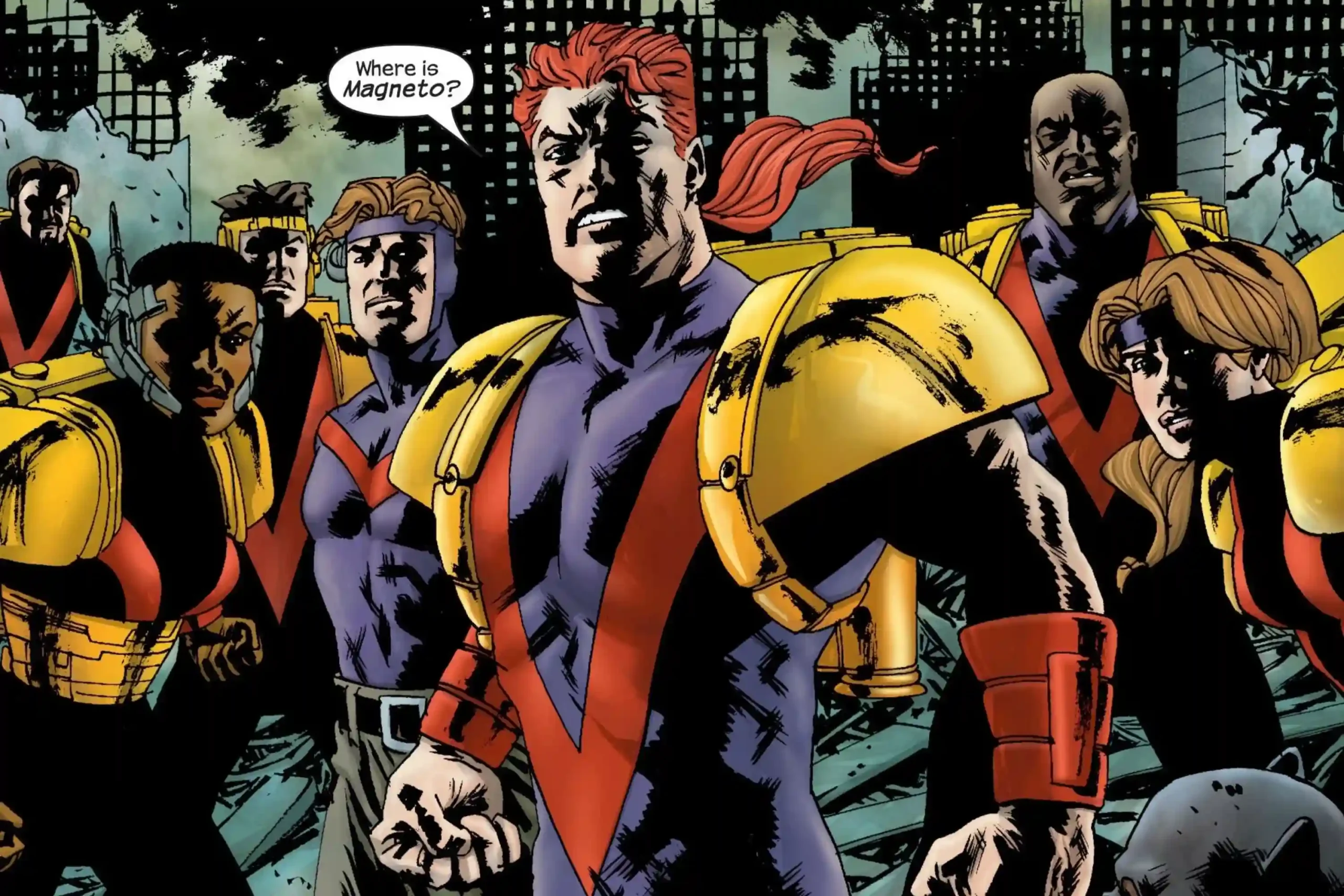
This is less a single person and more a mutant faction with legs.
- Debut: X-Men #1 (1992)
- Co-Creator: Jim Lee (with Chris Claremont)
- Why they’re important: The Acolytes aren’t just muscle for Magneto — they became major players in X-Men mythos. Characters like Exodus eventually get their own arcs, making this faction one of Lee’s most enduring narrative legacies.
The Acolytes capture that early 90s mutant aesthetic better than most squads.
Lesser-Known but Canonically Jim Lee
Yeah yeah, you heard the big names. But Lee’s creative footprint at Marvel includes a handful of additional characters, some cool, some obscure, all part of comics history.
Here are a few you might not think of first:
- Backlash (Marc Slayton) – A martial artist-turned-hero with wild visuals.
- Bella Donna (comics) – Part of the Black Widow mythos.
- Birdy – WildStorm-linked character that crossed Marvel borders.
- Chrome, Damage, Equus, Gauntlet – Characters that fill out Marvel’s roster of armored, soldier, or meta-human types.
- Trevor Fitzroy – Time-twisting mutant with a visually distinct design.
Most of these don’t have standalone movie deals (yet), but they reflect how Lee’s aesthetic ambitions carried into the minor corners of the Marvel Universe.
Why Lee’s Marvel Creations Are Still Conversation Starters
Even if some of his characters don’t headline blockbusters, Lee’s fingerprints are all over Marvel’s modern identity. His sense of anatomy, costume design, and action layout defined an era. The 1990s X-Men boom wouldn’t have been the same without his contributions and that’s not opinion but documented industry lore.
Think about it:
- Characters like Gambit became multimedia fixtures.
- Visual themes from his runs shaped how X-Men looked in animated series and beyond.
- Even in the background, his design sensibility influenced everything from team costumes to toy sculpting.
Lee d built a visual vocabulary Marvel still borrows.
Quick Visual Legacy TL;DR (So You Can Brag at Parties)
Here’s the real nerd flex list:
Major Marvel Creations/Co-Creations by Jim Lee
- Gambit (Mutant thief with kinetic cards)
- Omega Red (Deadly mutant villain)
- The Acolytes (Mutant faction)
Additional Characters from Jim Lee’s Catalog
- Backlash, Bella Donna, Birdy, Chrome, Damage, Equus, Gauntlet, Trevor Fitzroy, and others that fill out Marvel’s phenotype map.
This is the canon track — not the “fan favorites I wish existed” list. These are real Marvel Universe blueprint pieces.
The 1990s X-Men Boom Was Not an Accident
Let’s clear something up for the history books.
The early 1990s X-Men explosion was a perfect storm of storytelling ambition and visual dominance, and Jim Lee was standing right in the center of it with a pencil like a weapon.
X-Men #1 from 1991 shattered records. Millions of copies. Multiple variant covers. A cultural moment that people who lived through it still talk about with unearned nostalgia and slightly glazed eyes.
Characters Lee co-created or visually defined benefited directly from that reach:
- Gambit became an overnight fan obsession
- Omega Red locked himself into the Wolverine rogues gallery
- The Acolytes gained legitimacy instead of fading into background villain status
When you introduce characters during a sales peak like that, they imprint on readers for life. People didn’t just read those comics. They memorized them. They drew them in notebooks. They argued about them on dial-up forums like it was serious business.
That kind of emotional imprinting is why Lee’s Marvel characters still come up in conversations decades later. Nostalgia helps, sure. But nostalgia only sticks when the source material actually slapped.
Final Nerd Verdict (No Apologies, No Compromise)
If Jim Lee had only drawn Gambit, his name would still get a shout in any serious comics history lecture. His visual design for the character is one of the reasons Gambit didn’t vanish into obscurity.
And that’s just the beginning.
Marvel is a world on its own occupied by dozens of artists and writers. But Lee’s impact and art are among the boldest, visible even when you’re not explicitly thinking about them.