

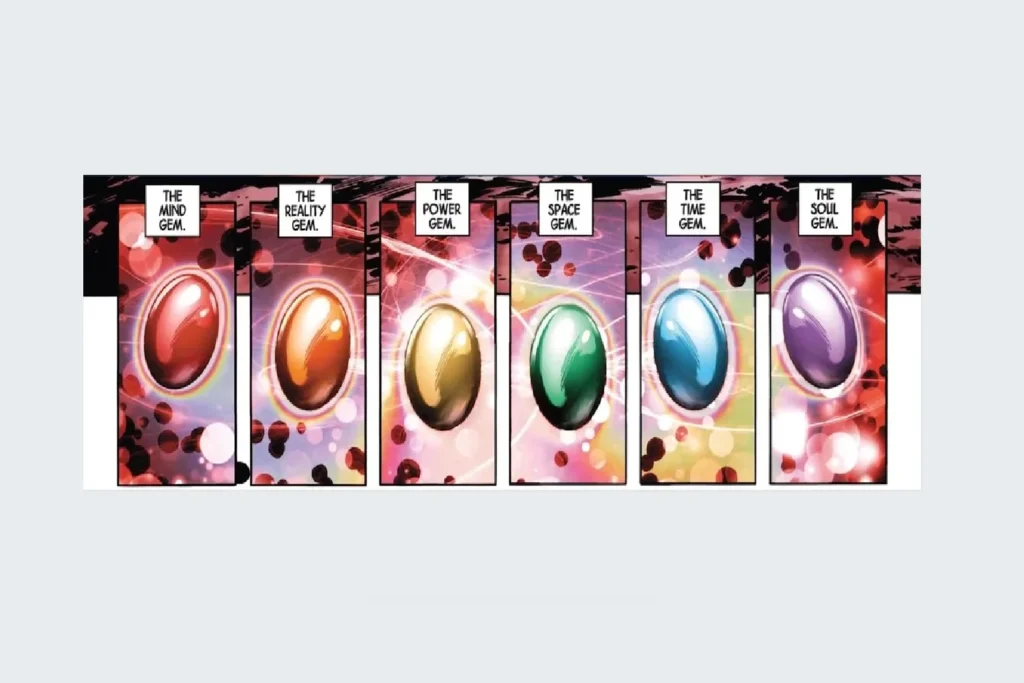
If you Googled Infinity Stones, odds are you’re thinking of glowing rocks, purple chins, and half the universe turning to dust. Totally fair.
But here’s the part the movies soft-pedaled: the Infinity Stones were already Marvel’s ultimate “break glass in case of cosmic escalation” button decades before the MCU existed.
In the comics, they’re older, weirder, meaner, and, crucially, way more dangerous than the sanitized movie versions. They aren’t just MacGuffins. They’re narrative nukes. When all six show up in one place, Marvel is basically telling you: someone is about to play God, and it’s going to go badly.
Let’s get into the specifics.
What Are the Infinity Stones?
At their core, the Infinity Stones are six cosmic artifacts that embody the fundamental aspects of reality in the Marvel Universe:
- Mind
- Space
- Reality
- Power
- Time
- Soul
Each stone is absurdly powerful on its own. Together? They grant total dominion over existence: physical, metaphysical, temporal, and spiritual. We’re talking omniscience, omnipotence, omnipresence. Full capital-G God mode.
In comics terms, the Infinity Stones are not “weapons.” They’re system overrides for reality itself.
And yes, that’s why writers love them, and why editors lock them in a drawer for years at a time after they’re used.
Infinity Stones vs Infinity Gems
Let’s clear this up immediately before the pedants arrive.
Comics = Infinity Gems
MCU = Infinity Stones
Same objects. Different names.
In Marvel Comics, they were originally called the Infinity Gems (and sometimes Soul Gems, depending on era). The term Infinity Stones was popularized, and later standardized by the MCU for clarity and branding.
If you’re reading comics:
- Expect Infinity Gems
- Expect them to be smaller, stranger, and occasionally sentient
- Expect the Soul Gem to be deeply unsettling
If you’re watching movies:
- You’ll hear Infinity Stones
- You’ll get a cleaner, less metaphysical explanation
Same cosmic idea. Very different vibes.
Infinity Stones Powers: What Each Stone Actually Does
This is where most articles go wrong by either being too vague or too obsessed with power-scaling arguments. Let’s do this cleanly.
Each Infinity Stone controls one absolute domain of reality. No overlap. No redundancy. No loopholes.
Mind Stone
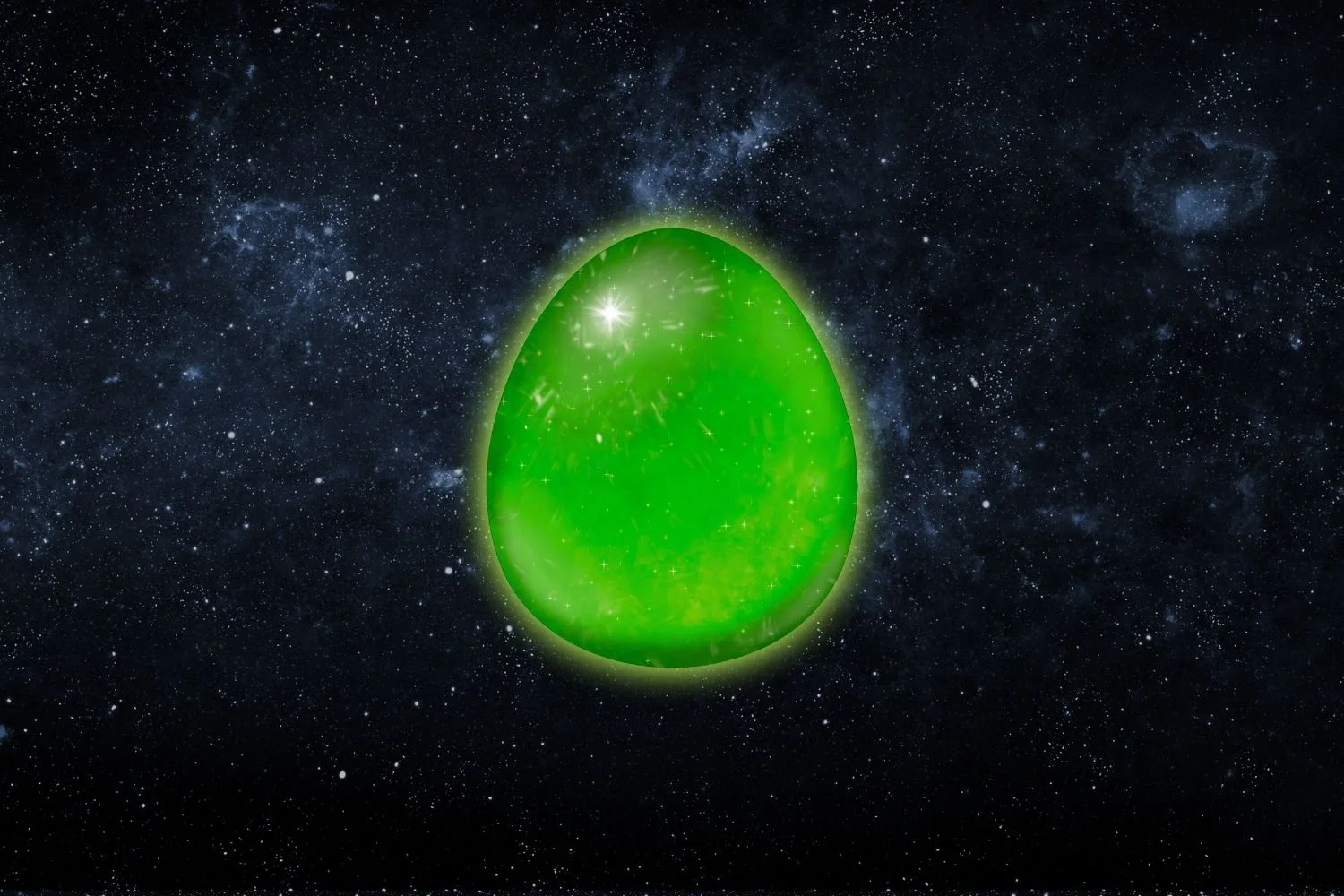
Power: Consciousness, intelligence, thought, perception
The Mind Stone governs:
- Telepathy
- Mind control
- Intelligence amplification
- Mental domination across galaxies
In comics, the Mind Gem can:
- Instantly outthink cosmic entities
- Control entire populations
- Turn already-brilliant beings into strategic nightmares
It’s not flashy but it’s terrifying in the hands of someone patient.
Space Stone
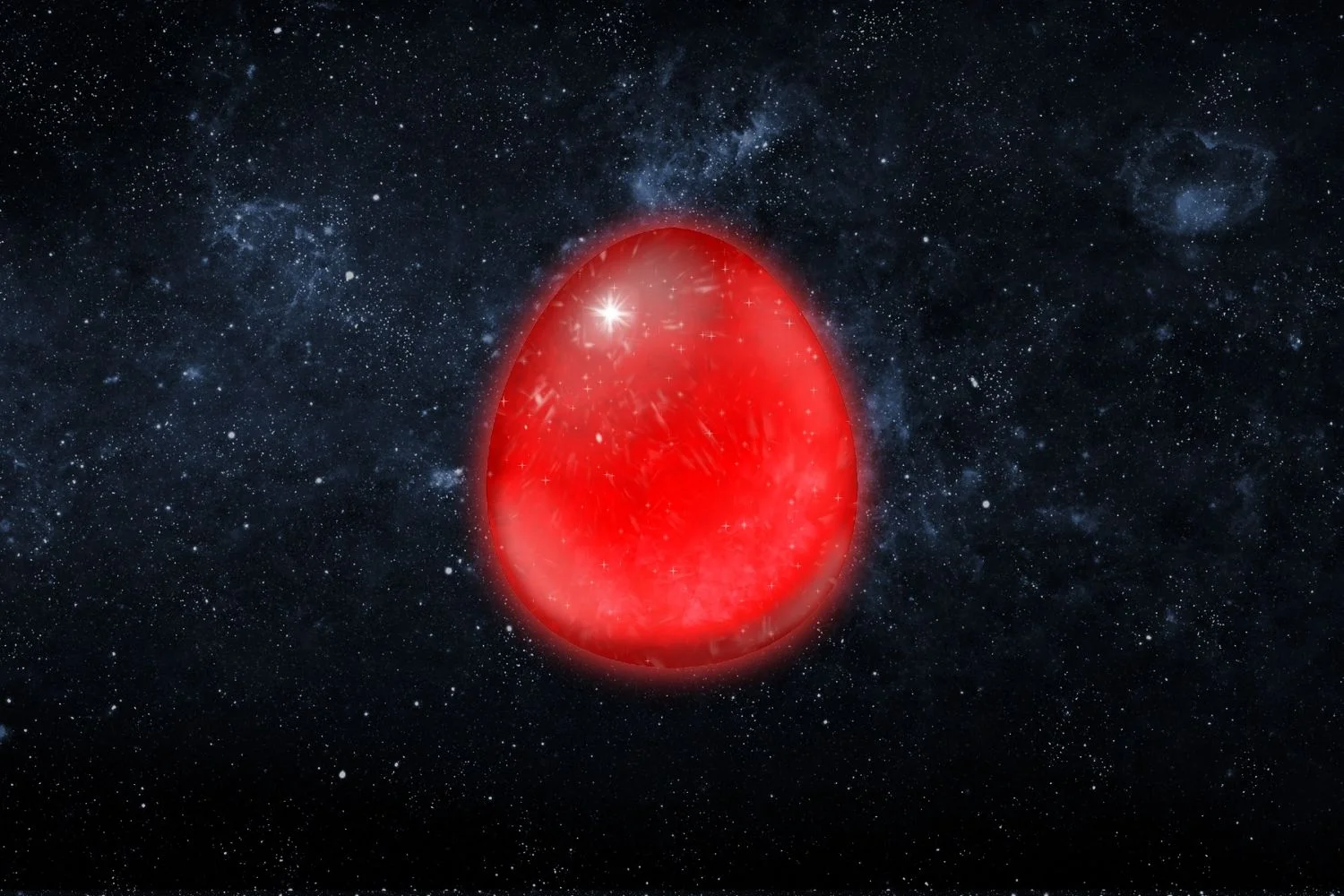
Power: Distance, movement, location
The Space Stone allows:
- Instant teleportation anywhere in the universe
- Manipulation of physical distance
- Control over spatial dimensions
In practical terms?
You are never out of reach of someone holding this gem. Ever.
No escape arcs. No clever hiding spots. Space stops being a defense.
Reality Stone
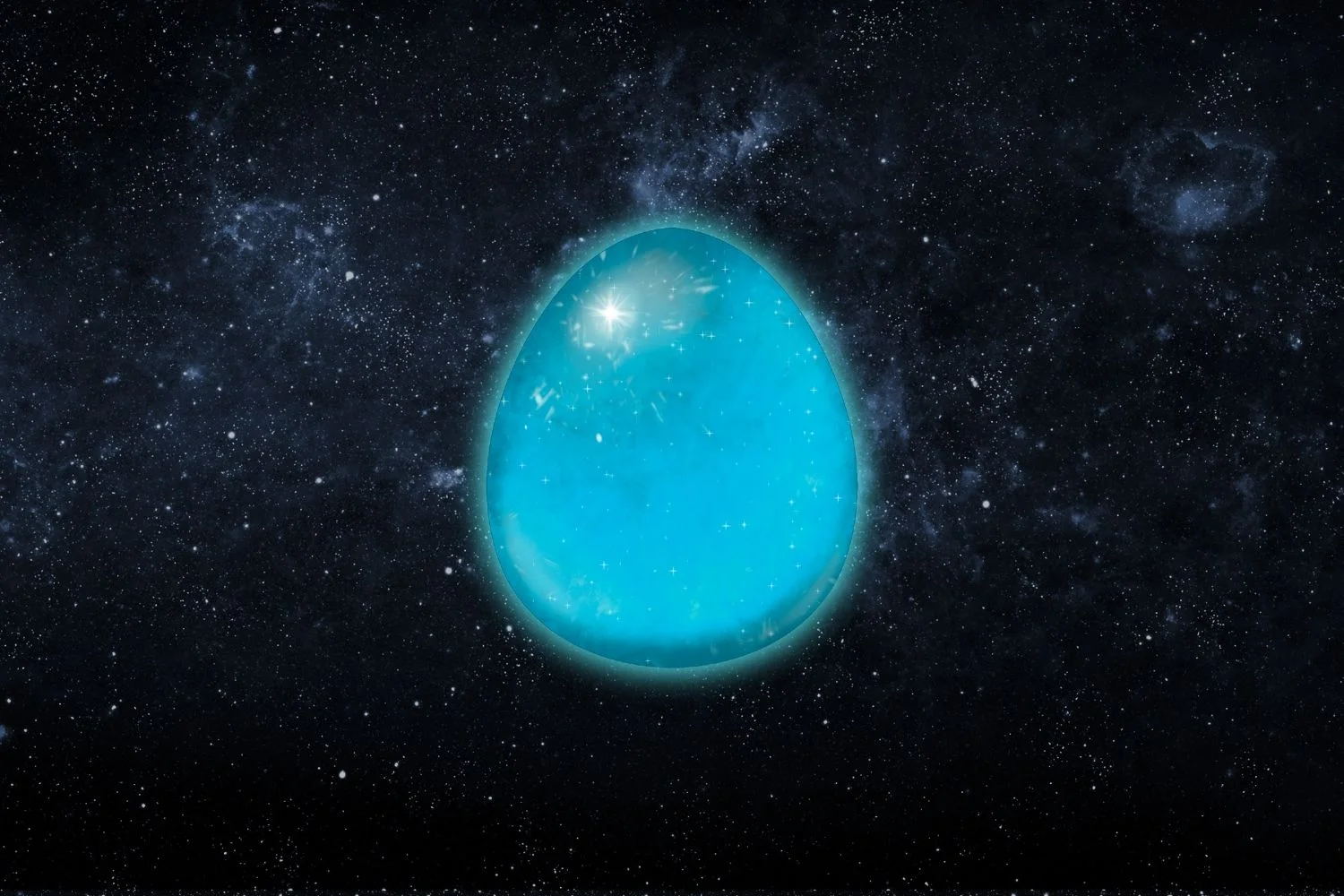
Power: Altering reality itself
This is the chaos gem. The “rules don’t matter anymore” stone.
The Reality Stone can:
- Rewrite physical laws
- Turn thoughts into truth
- Make illusions permanent
- Undo cause and effect
In comics, this stone is often portrayed as unstable. It doesn’t just change reality, it reshapes it to the wielder’s will, sometimes in horrifying ways.
This is the stone that makes editors nervous.
Power Stone
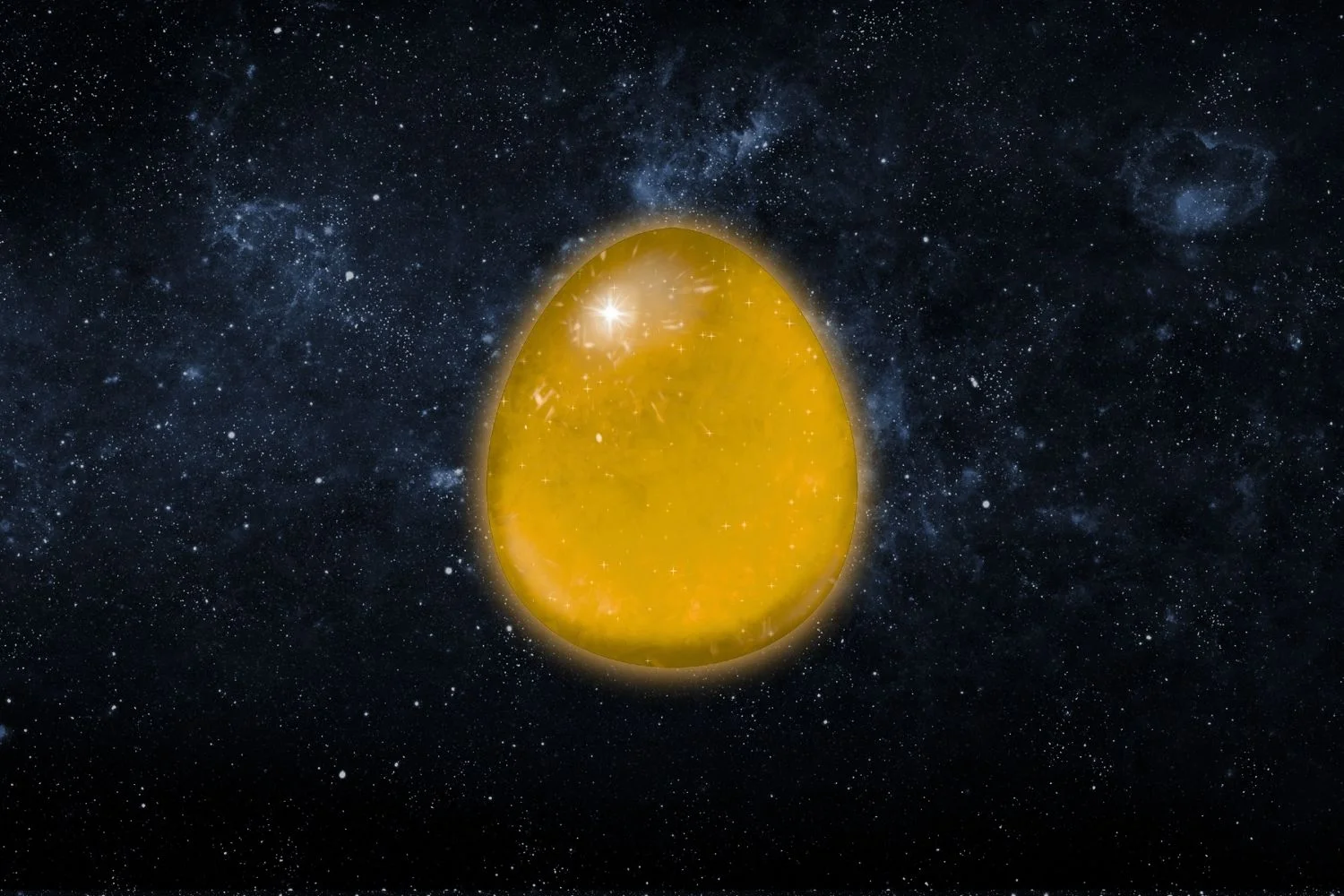
Power: Raw, infinite energy
The Power Stone:
- Grants unlimited physical strength
- Amplifies all other stones
- Allows survival of cosmic-level forces
On its own, it can:
- Destroy planets
- Kill cosmic entities
- Overload unworthy users
This is the gem most likely to kill its wielder if they don’t know what they’re doing.
Time Stone
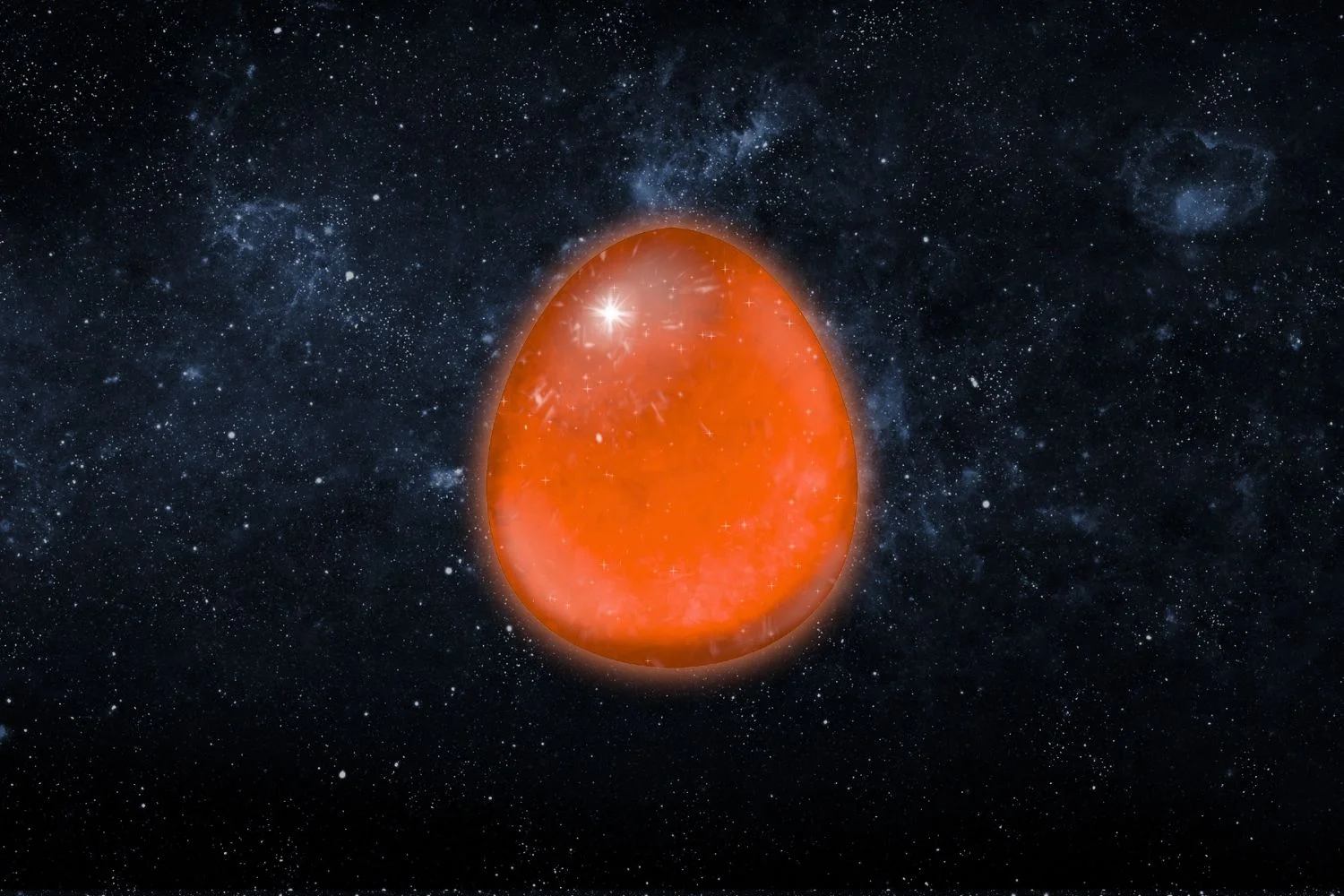
Power: Temporal control
The Time Stone allows:
- Time travel
- Time loops
- Aging or de-aging beings
- Seeing possible futures
In comics, the Time Gem is less about clever rewinds and more about absolute temporal authority. You don’t dodge consequences, you erase them.
Soul Stone
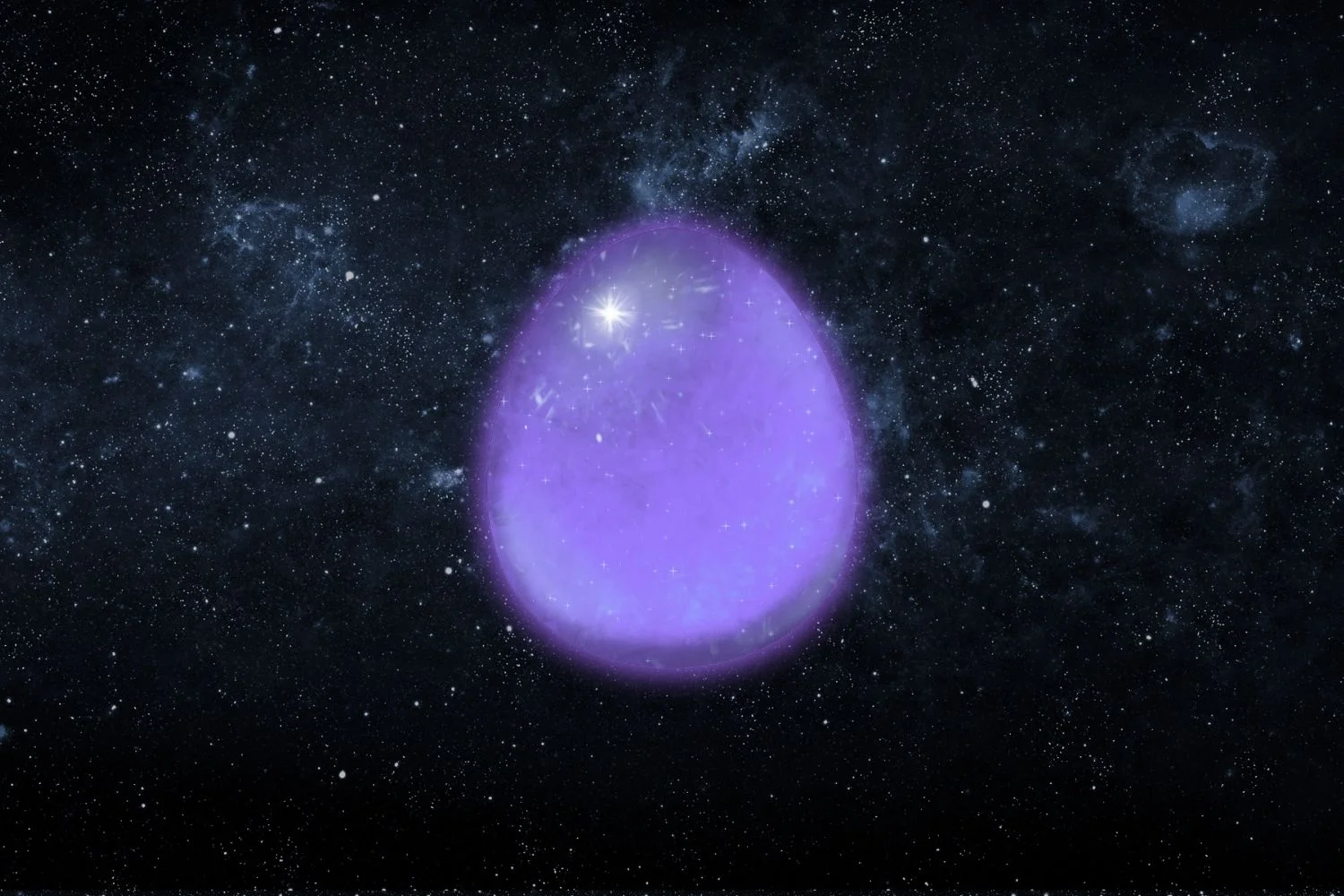
Power: Souls, life, death, and the afterlife
This is the weird one. Always has been.
The Soul Gem:
- Controls life and death
- Manipulates souls directly
- Contains an entire pocket universe inside it
Yes, really.
In classic comics, the Soul Gem is semi-sentient and often hungry. It feeds on souls. It judges its wielders. It is not neutral.
If any gem is “evil-coded,” it’s this one.
Did Infinity Stones Exist in Comics? (Short Answer: Yes, Way Before the MCU)
Absolutely. The Infinity Stones are purely comic-born concepts.
They debuted in various forms across early Marvel cosmic stories, but they were unified into the iconic six-gem concept during Jim Starlin’s cosmic saga in the late ’80s and early ’90s.
Key early appearances include:
- Marvel Premiere #1 (Soul Gem)
- Avengers Annual #7
- Captain Marvel (1970s cosmic era)
But the moment that locked them into Marvel canon forever?
The Infinity Gauntlet (1991)
That’s the blueprint. Everything else, movies included, is riffing on that.
How Do the Infinity Stones Work in the Comics?
Here’s the core rule that matters:
One gem is powerful. All six together make you unbeatable.
In the comics:
- Each gem enhances the others
- Wielding all six grants near-total control over reality
- Even cosmic abstracts (Eternity, Infinity, Death) become vulnerable
There are limits, cosmic hierarchies still exist, but functionally, a full set means the story has shifted into existential stakes territory.
This is why Marvel treats the Stones like narrative plutonium.
How Many Infinity Stones Are There in Comics?
The Core Answer: Six
The Marvel Universe is fundamentally structured around six Infinity Gems. That’s the canon baseline. Most major stories stick to this.
However…
Is There a 7th Infinity Stone? (Why This Question Never Dies)
Ah yes. The rabbit hole.
Short answer:
There are more than six Infinity Gems—but they’re not part of the core set.
Over the years, Marvel has introduced:
- The Ego Gem
- The Death Stone
- Warp World variants
- Alternate-universe Gems
These extras usually:
- Exist outside the main universe
- Function differently
- Are limited-run concepts
They show up just enough to confuse readers, then disappear again.
So if you’re asking:
“Is there a 7th Infinity Stone?”
The correct comic nerd answer is:
Not in the main Marvel Universe—and not in any way that changes the core mythos.
Six is the number that matters.
Infinity Stones Avengers Stories That Actually Matter
If you want to read, not just know, here’s the cleanest path.
The Infinity Gauntlet (1991)
The essential text. Thanos. Snap. Cosmic chaos. Everyone loses.
This is where:
- The Gems are fully defined
- The stakes are absolute
- The Avengers realize brute force is useless
Mandatory reading.
Infinity War & Infinity Crusade
Follow-ups that explore:
- What happens after godhood
- Why power doesn’t solve obsession
- How the Gems destabilize everything around them
Not as tight as Gauntlet, but still foundational.
Avengers & Cosmic Tie-Ins
The Avengers rarely control the Stones—but they are always pulled into the fallout.
Think:
- Damage control
- Moral consequences
- Cosmic clean-up duty
The Avengers’ role is often to survive Infinity Stone events, not win them.
Infinity Stones Comic Reading Order (Beginner-Friendly)
If you want the essentials without drowning:
- The Infinity Gauntlet (1991)
- Infinity War
- Infinity Crusade
- Selected Avengers tie-ins (optional, not mandatory)
- Modern callbacks (for context, not canon purity)
That’s it. Anything else is dessert.
The Infinity Stones Keep Coming Back
Because they work.
They’re:
- Simple to understand
- Impossible to control
- Perfect for escalation stories
Any time Marvel wants to:
- Reset the universe
- Explore godhood
- Test heroes morally instead of physically
…the Infinity Stones come out of storage.
Infinity Stones Are Marvel’s Nuclear Option
The Infinity Stones aren’t famous because of the MCU.
The MCU used them because they were already Marvel’s most elegant cosmic idea.
Six concepts. One rule. Infinite consequences.
They’re power without wisdom. Control without restraint. And every time someone gathers all six, the universe learns the same lesson:
No one deserves that much authority.
And yeah—watching it go wrong is kind of the point.