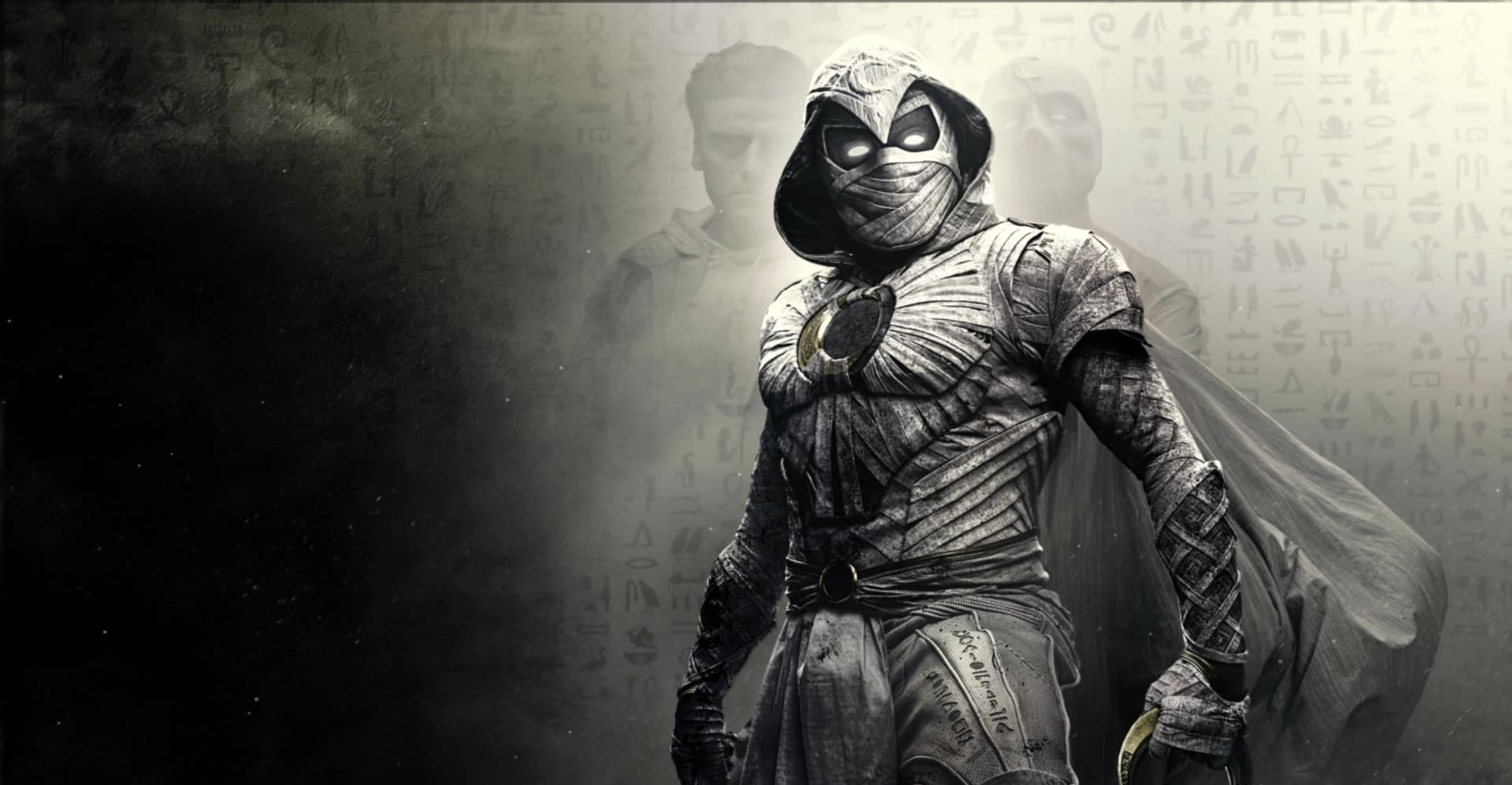
Moon Knight gets treated like a riddle when he really is not one. He looks strange. He talks to a god. He punches above his weight. People overcomplicate him because Marvel lets different writers turn the volume knob up or down depending on the story.
Good thing we’re here to fix that.
If you keep seeing Moon Knight everywhere and want a grounded explanation of who he is, what he can do, and where to start reading without drowning in lore, this is the version you want.
Comics first. MCU second. No mystique inflation. That’s what you want, right?
Moon Knight is a Marvel character most closely associated with Marc Spector, a former mercenary who becomes the avatar of the Egyptian god Khonshu after a near-death experience.
That is the spine. Everything else grows off it.
Marc Spector operates through multiple identities. The most important ones are:
Different eras emphasize different identities. Some runs blur them together. Some keep them distinct. That flexibility is intentional and has been part of the character since the early years.
Moon Knight first appears in Werewolf by Night #32 in 1975. He spins out into his own series soon after and has stayed active ever since, even when Marvel forgets what shelf to put him on.
The honest answer depends on the story being told.
Moon Knight operates as a vigilante most of the time. He patrols streets. He targets criminals. He uses fear as leverage. That puts him closer to street-level characters like Daredevil or Punisher in day-to-day behavior.
He becomes a religious avatar when Khonshu takes an active role. In those arcs, Moon Knight’s mission feels assigned rather than chosen. The god’s influence fluctuates by writer and era. Sometimes it is distant. Sometimes it is invasive.
He is treated as a superhero when Marvel needs him in a team book or crossover. That version emphasizes utility, combat skill, and tactical value.
None of these interpretations cancel the others. They overlap. That tension is part of why Moon Knight works.
Moon Knight does not have a fixed power set in the traditional Marvel sense. That is where most confusion starts.
At baseline, his abilities come from training, gear, and pain tolerance. He is:
Khonshu changes the equation.
In some runs, Moon Knight gains enhanced strength, durability, or healing tied to lunar phases. In others, Khonshu offers guidance, visions, or psychological pressure rather than raw power.
Writers adjust the dial based on tone. Street-level stories keep him grounded. Myth-heavy stories lean into divine influence.
If someone claims Moon Knight has god-tier powers all the time, they are flattening decades of nuance.
Yes, but not in the way people expect.
Moon Knight has been part of the Avengers roster in multiple eras, including West Coast Avengers and later Avengers teams. He fills a tactical and combat role rather than a leadership one.
He is not a social Avenger. He does not anchor the team emotionally. He shows up, completes the mission, and leaves.
Most Avengers tolerate him. Few trust him fully. That is consistent with how Marvel positions him.
Yes. And he has.
In Avengers comics, Moon Knight lifts Mjolnir during a moment where Khonshu’s authority overrides the usual worthiness rules. The hammer responds to divine command rather than moral alignment in that scene.
This is not Moon Knight being universally worthy. It is a situational exception tied to god-level interference, not a permanent status upgrade.
The MCU version pulls heavily from modern comic runs while simplifying structure for television.
The show emphasizes:
The comics offer more tonal range. Some runs treat Khonshu as distant. Others question whether he exists externally at all. The Mr. Knight persona functions very differently in print.
The MCU version is a translation, not a replacement. Comic Moon Knight remains broader, harsher, and more flexible.
You do not need a full reading order. You need a lane.
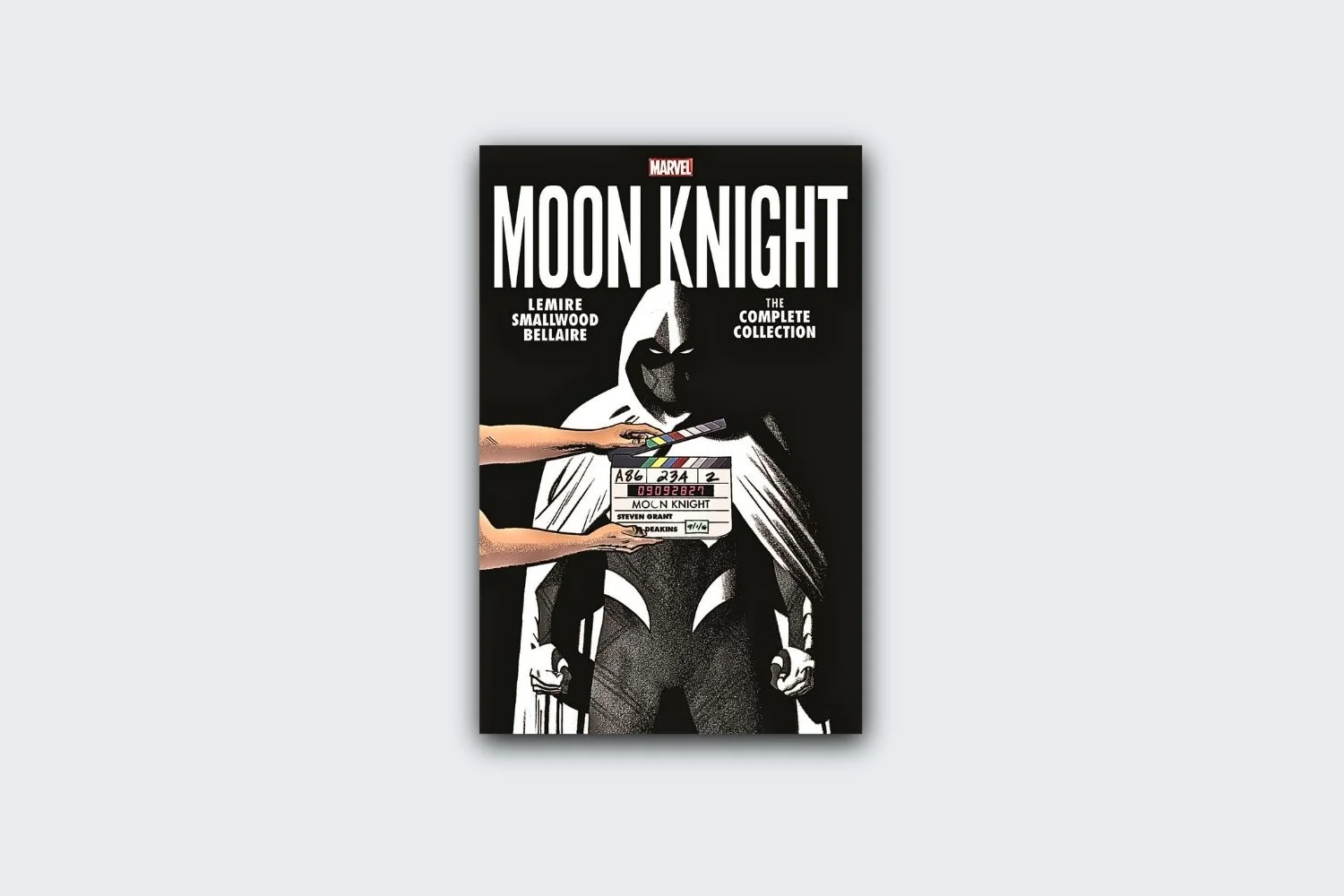
Moon Knight by Jeff Lemire and Greg Smallwood
This run defines Moon Knight for many modern readers. Identity, memory, and control sit at the center. Art and structure do heavy lifting. Khonshu feels oppressive rather than empowering.
Start here if you want depth.
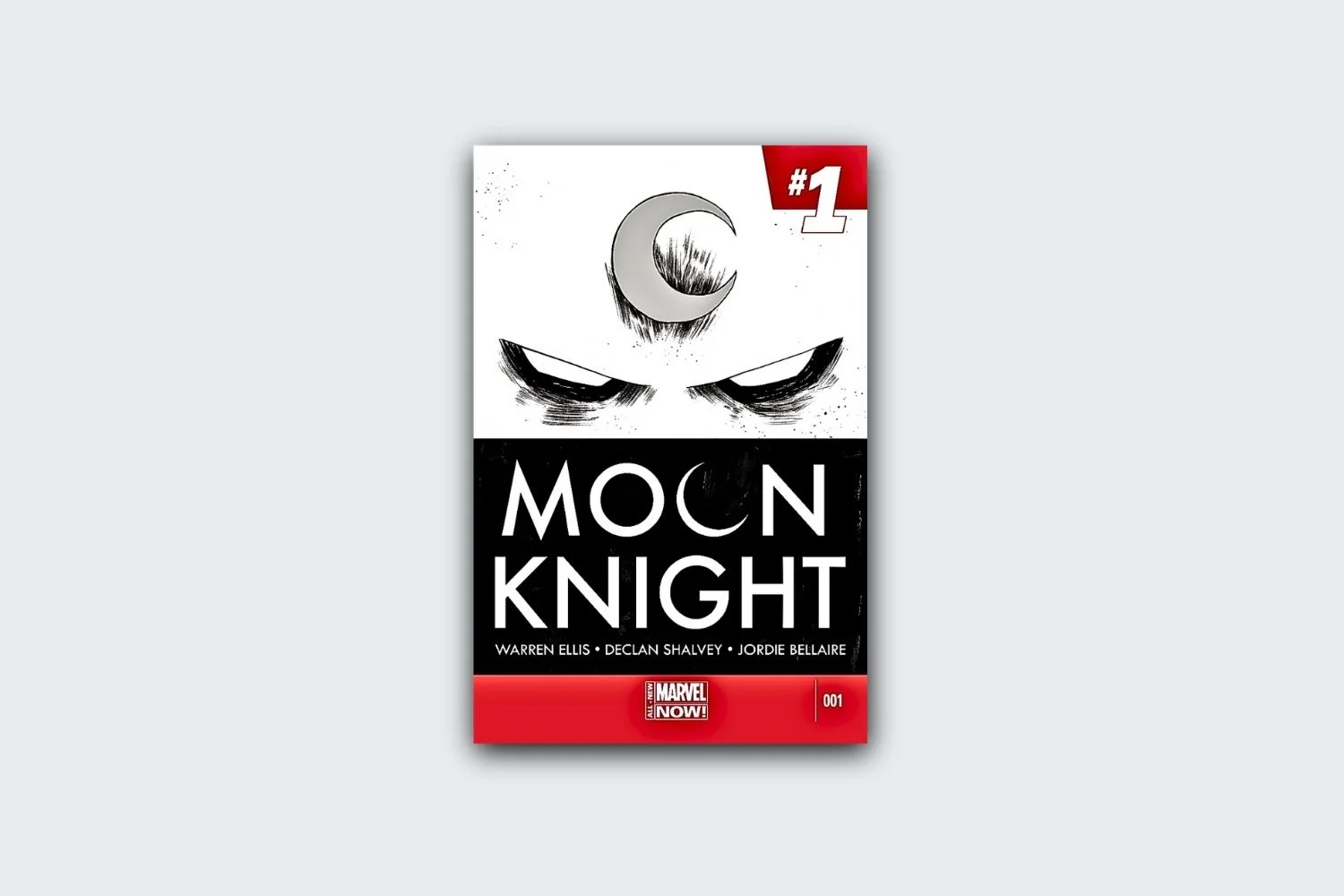
Moon Knight by Warren Ellis and Declan Shalvey
Clean issues. Tight pacing. Focus on competence and brutality. This run strips the character down to function and atmosphere.
Start here if you want efficiency.
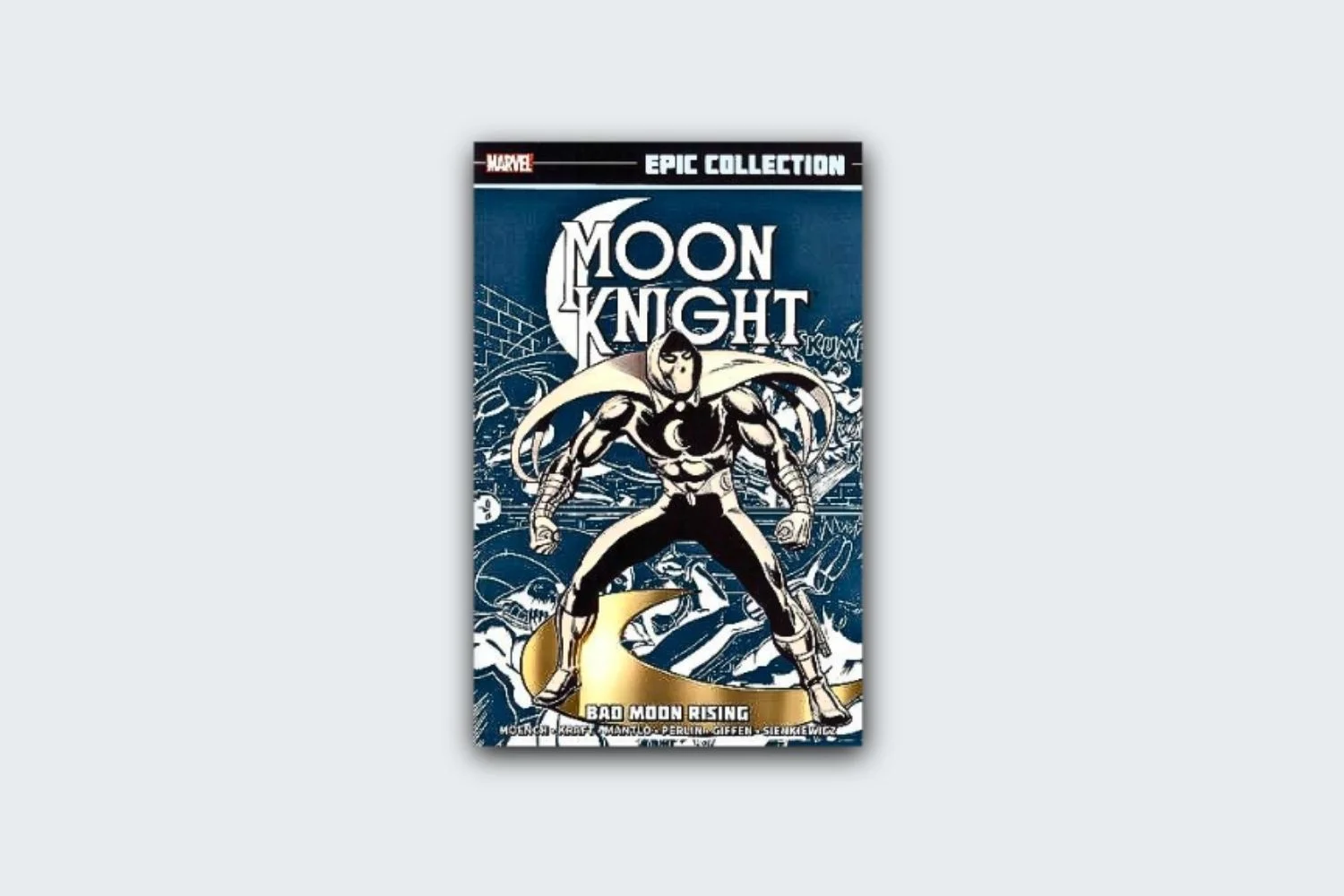
Moon Knight. Bad Moon Rising
Early stories that establish tone, gear, and structure. Less psychological layering. More pulp energy.
Start here if you want to see the original shape of the character.
Moon Knight sits in an unusual position inside Marvel.
He operates at street level alongside Daredevil and Punisher. He crosses into supernatural territory with Blade and Ghost Rider. He functions on Avengers teams when brute efficiency is required.
He is rarely the center of Marvel’s universe. He is often the problem solver nobody else wants to deal with directly.
That placement keeps him flexible. It also explains why his tone shifts between runs without breaking continuity.
Marc Spector is the primary identity. Steven Grant and Jake Lockley function as operational identities rather than aliases. Mr. Knight is a later persona designed for control and presentation.
Marvel portrays dissociative identity through the character, but each run handles it differently. Some stories treat the identities as separate voices. Others frame them as coping mechanisms shaped by trauma and Khonshu’s influence.
In many stories, yes. In others, the question stays intentionally unresolved. Marvel allows ambiguity because it supports both psychological and supernatural interpretations.
Moon Knight survives because Marvel lets him bend without breaking. He works as a vigilante. He works as an avatar. He works as a psychological case study.
If you read him as one fixed thing, you miss the point.
Read the comics that match the version you want. Ignore power scaling arguments. Let the character breathe.
Moon Knight rewards readers who accept ambiguity and punish those who demand clean labels. That is the appeal.