
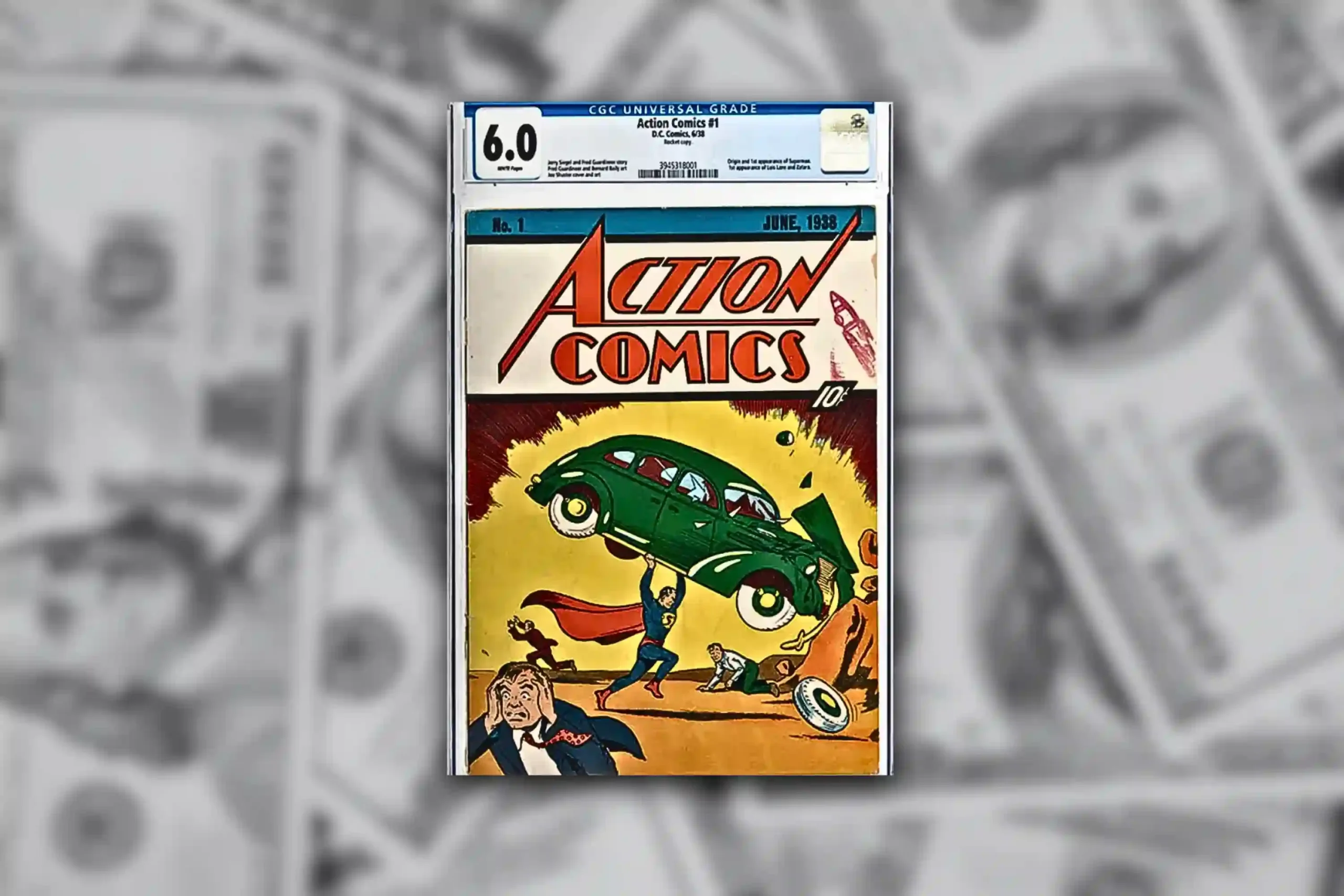
If you’ve ever looked at a slabbed comic behind museum-grade glass and muttered, “It’s just paper,” congratulations. You’ve announced to everyone within earshot that you are not invited to this conversation.
Because these are not “just comics.” These are historical artifacts, cultural detonators, scarcity nightmares, and financial flexes rolled into thin, fragile pages that somehow survived fires, floods, parents throwing them out, and the general chaos of the 20th century.
This is the world of the most expensive comic books ever sold.
We’re talking seven-figure sales, private transactions that make auction houses sweat, and books so rare that seeing one in person feels illegal. Some earned their value by accident. Others by timing, tragedy, or sheer mythmaking. All of them sit at the intersection of pop culture and serious money.
If you want a cute listicle, this isn’t it. If you want context, attitude, and someone who will absolutely judge low-grade copies, you’re in the right place.
Let’s get expensive.
Before we start name-dropping million-dollar issues, let’s clear something up: Price in comics is a brutal math problem involving history, survival, demand, and flex culture.
Here’s what actually moves the needle:
Age alone does nothing. Plenty of old comics are worth pocket change. Condition without significance also does nothing. The sweet spot is historical importance plus survival against all odds.
Now let’s talk about the books that won that lottery.
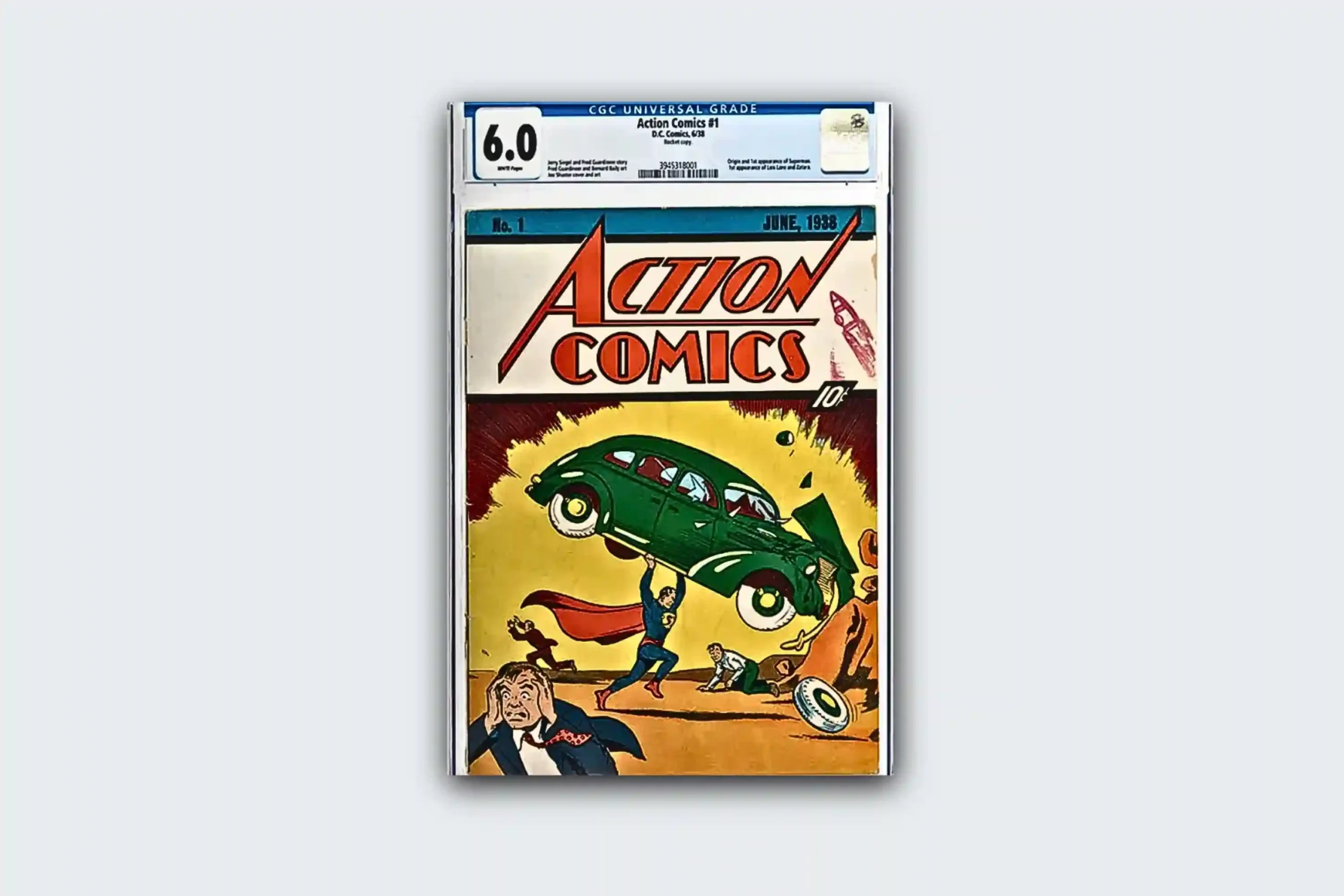
If comics had a Genesis issue, this is it. Action Comics #1 from 1938 is where Superman shows up, casually lifting a car like it’s no big deal and permanently altering pop culture.
This book created an industry.
Printed on cheap paper during the Great Depression, most copies were read, folded, torn, and tossed. Survival rate is brutally low. High-grade copies are basically unicorns.
Notable facts that collectors whisper about reverently:
Owning this book is like owning the first frame of cinema. You don’t buy it because you like Superman. You buy it because history told you to.
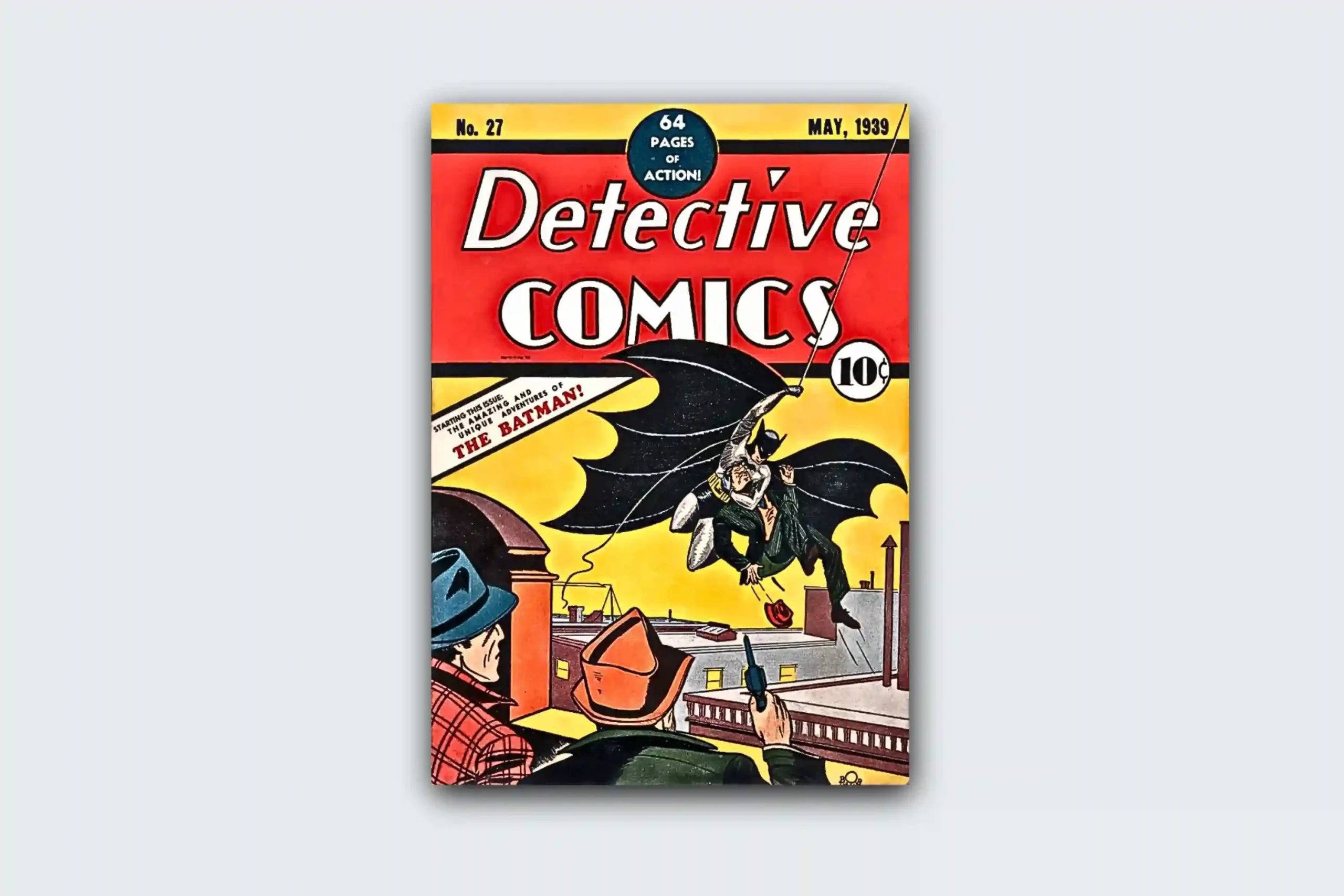
A year after Superman rewired society, Detective Comics #27 quietly introduced Batman. No powers, no aliens, just trauma and a cape.
Batman grew. Slowly. Darkly. And that slow burn made this book legendary.
This issue is:
High-grade copies are almost mythical. Even mid-grade examples command absurd prices because demand refuses to cool down. Batman collectors are a different breed. They do not blink.
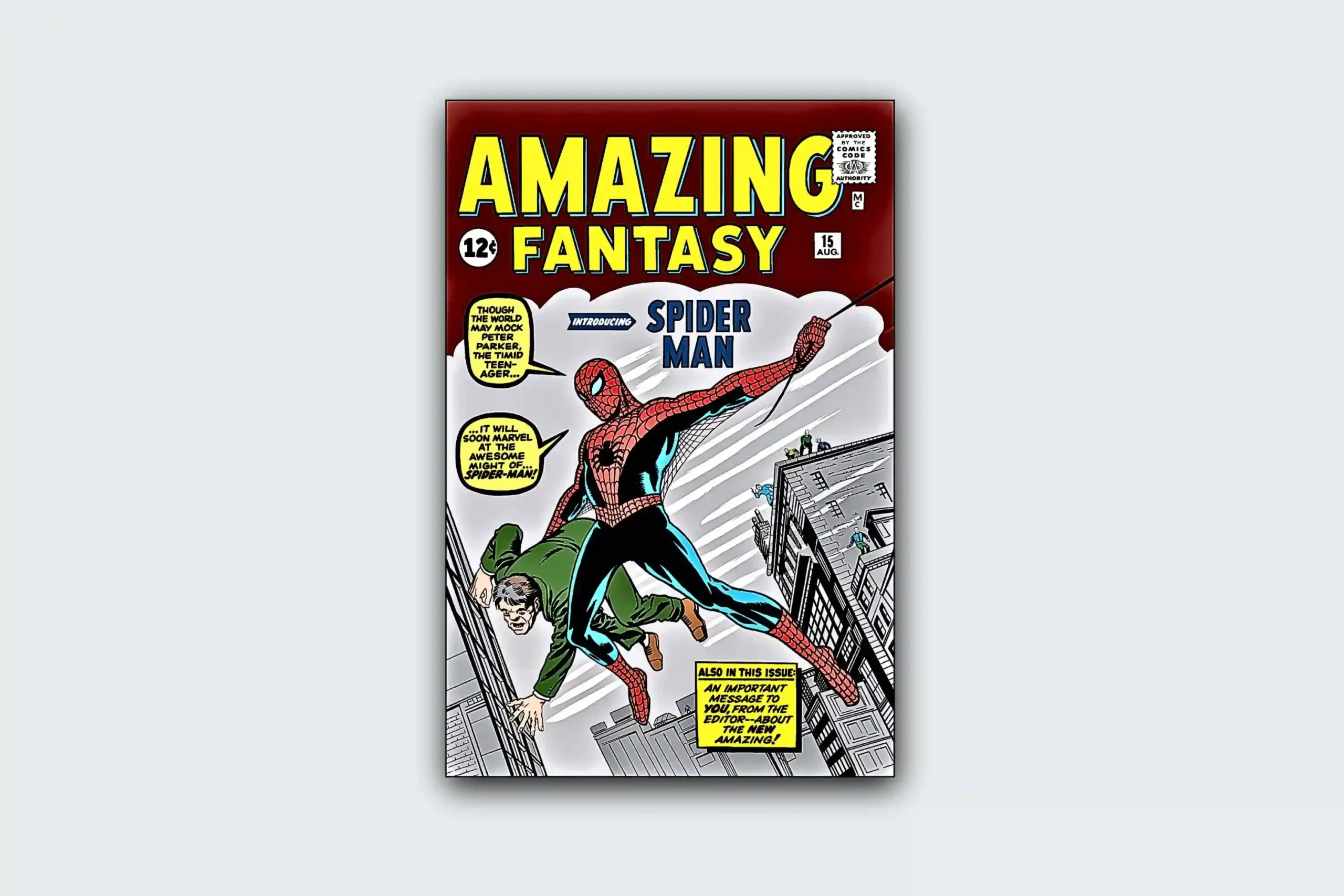
In 1962, Marvel wasn’t cool yet. Then Amazing Fantasy #15 happened and suddenly superheroes were awkward, broke, anxious, and deeply relatable.
Spider-Man arrived as a mess. That changed everything.
Why this book matters:
A CGC 9.6 copy sold for over $3.6 million. That’s permanence.
This book proves Marvel’s philosophy worked. Flawed heroes stick.
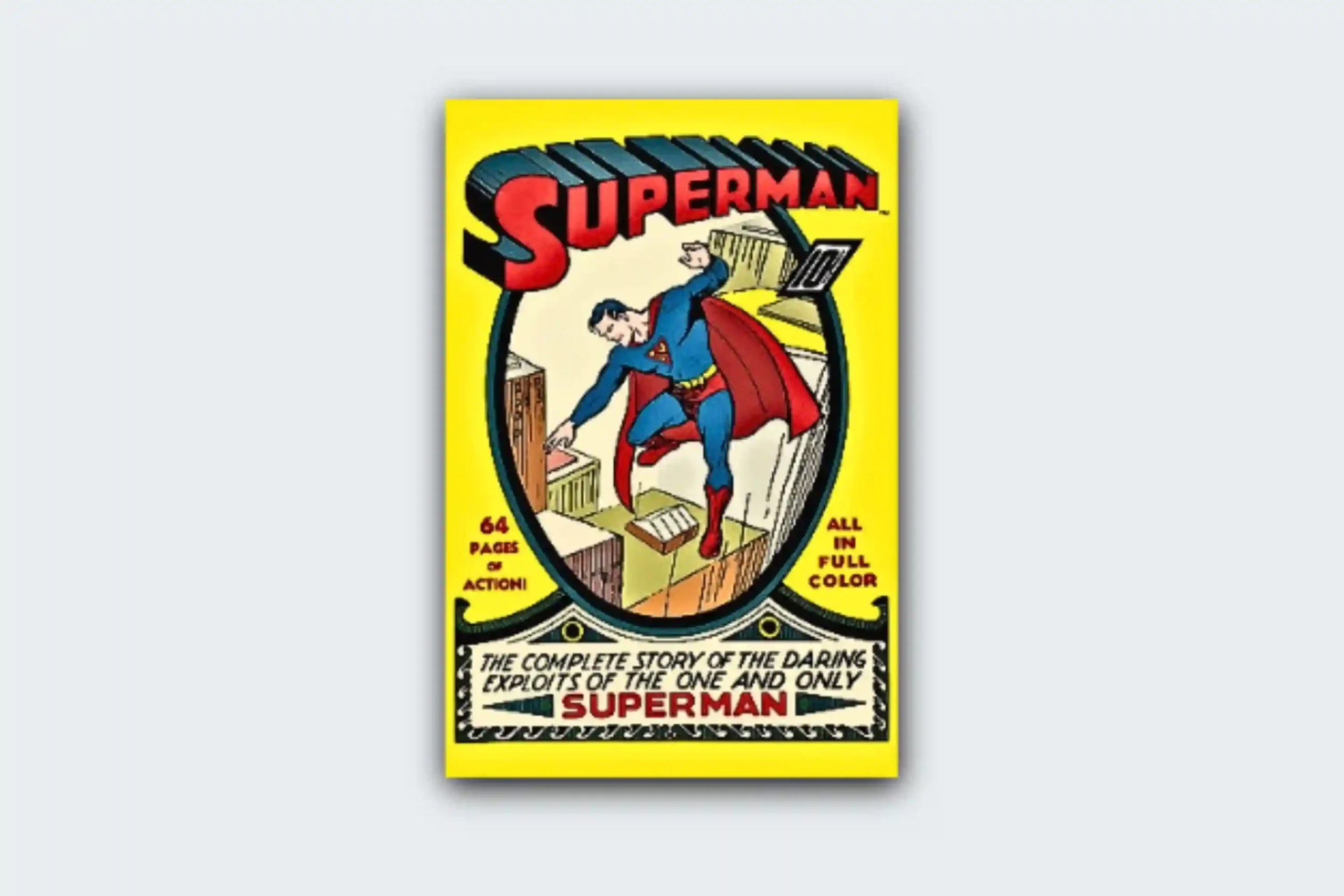
People forget that Superman didn’t debut in his own book. Superman #1 from 1939 is where he graduated from shared billing to solo dominance.
This issue matters because it:
Scarcity is real here. Print runs were small. Survival was worse. High-grade copies are trophy-level items that rarely surface.
It’s the moment the industry realized superheroes were the product.
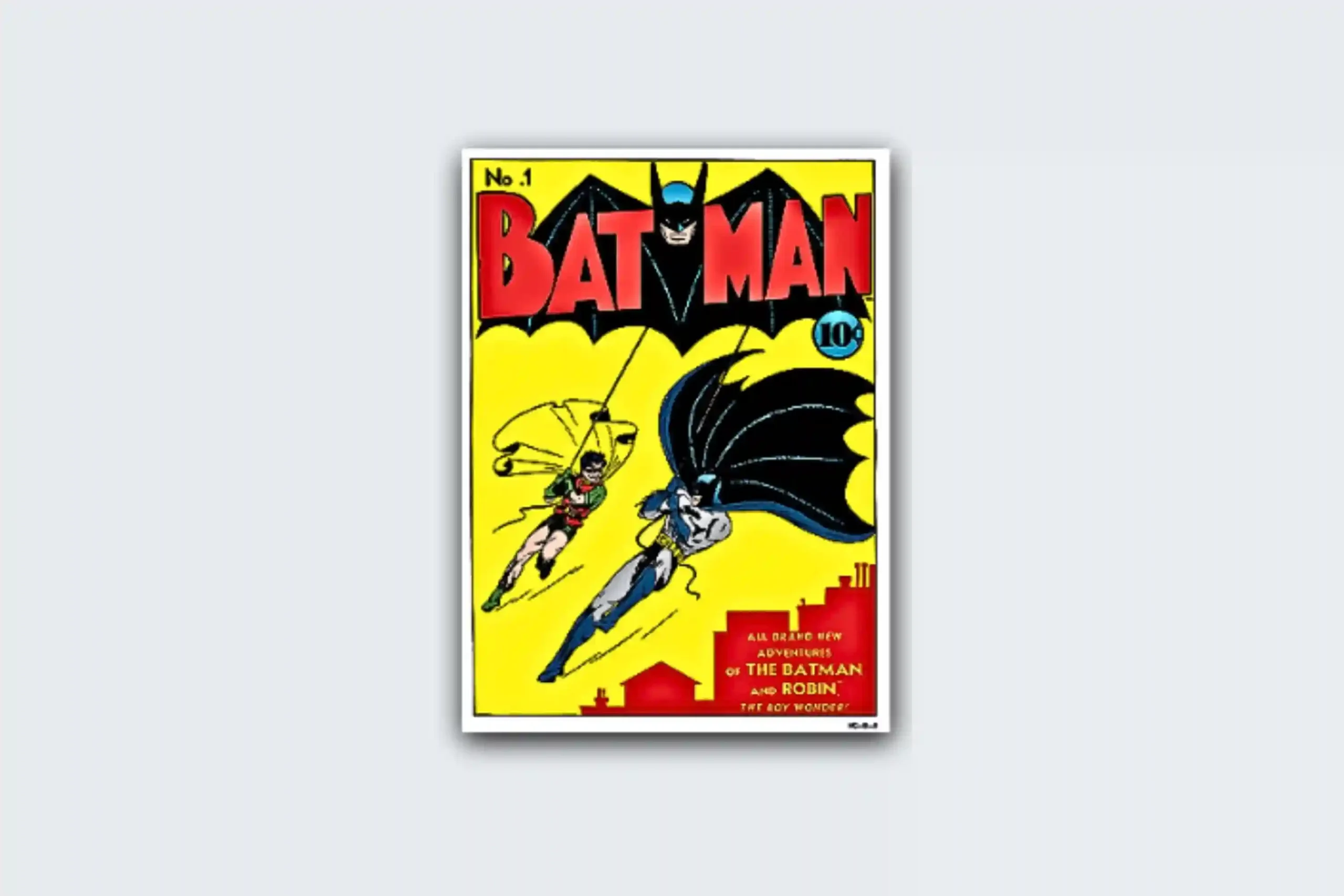
If Detective Comics #27 gave us Batman, Batman #1 gave us chaos.
This issue introduced:
That alone would make it valuable. Add Golden Age scarcity and you get a book that collectors obsess over.
High-grade copies sell for over $2 million. Even low-grade copies spark bidding wars because nobody wants to be the person who passed on Joker’s debut.
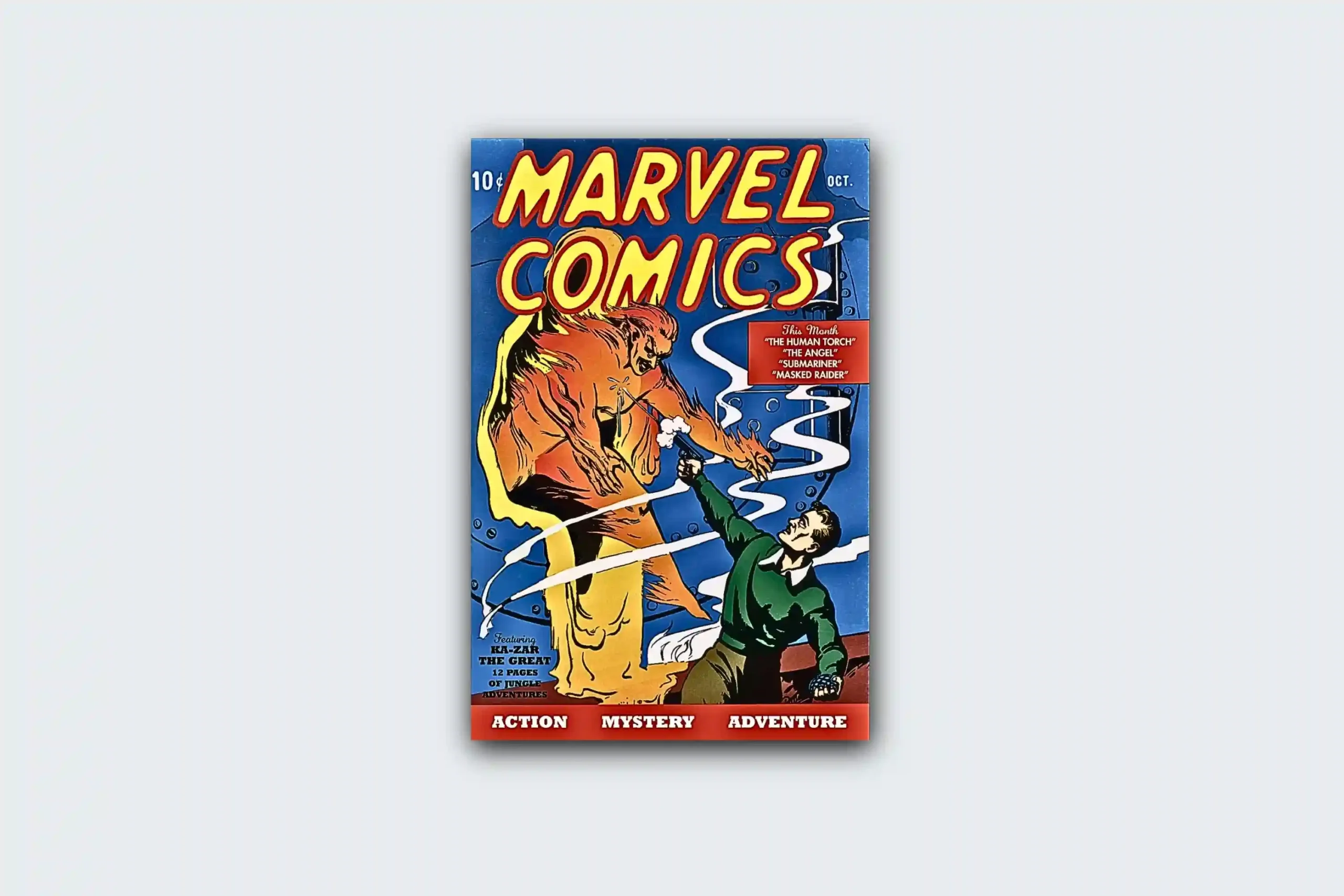
Long before Marvel became a cinematic empire, there was Marvel Comics #1 from 1939. Back when the company was still Timely Comics and figuring things out.
This book introduced:
It’s historically important and criminally underrated by casual fans. Serious collectors know better.
Scarcity plus legacy equals six and seven-figure prices, especially in clean condition.
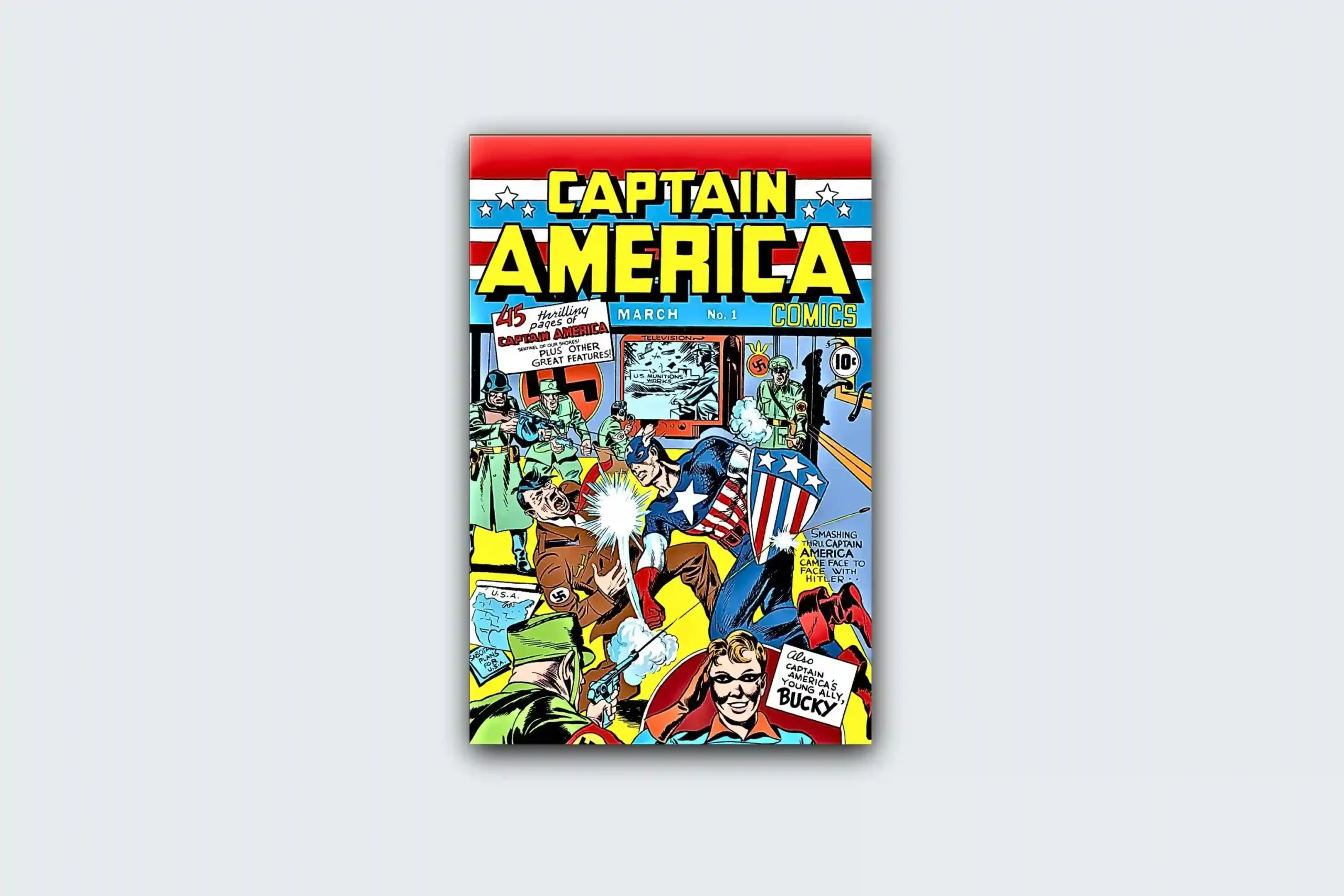
Yes, this is the one where Captain America punches Hitler. On the cover. In 1941. Before the US entered World War II.
That image alone made this comic dangerous at the time. It also made it immortal.
Why collectors lose their minds over it:
High-grade copies have sold for over $3 million. It’s propaganda, art, and courage stapled together.
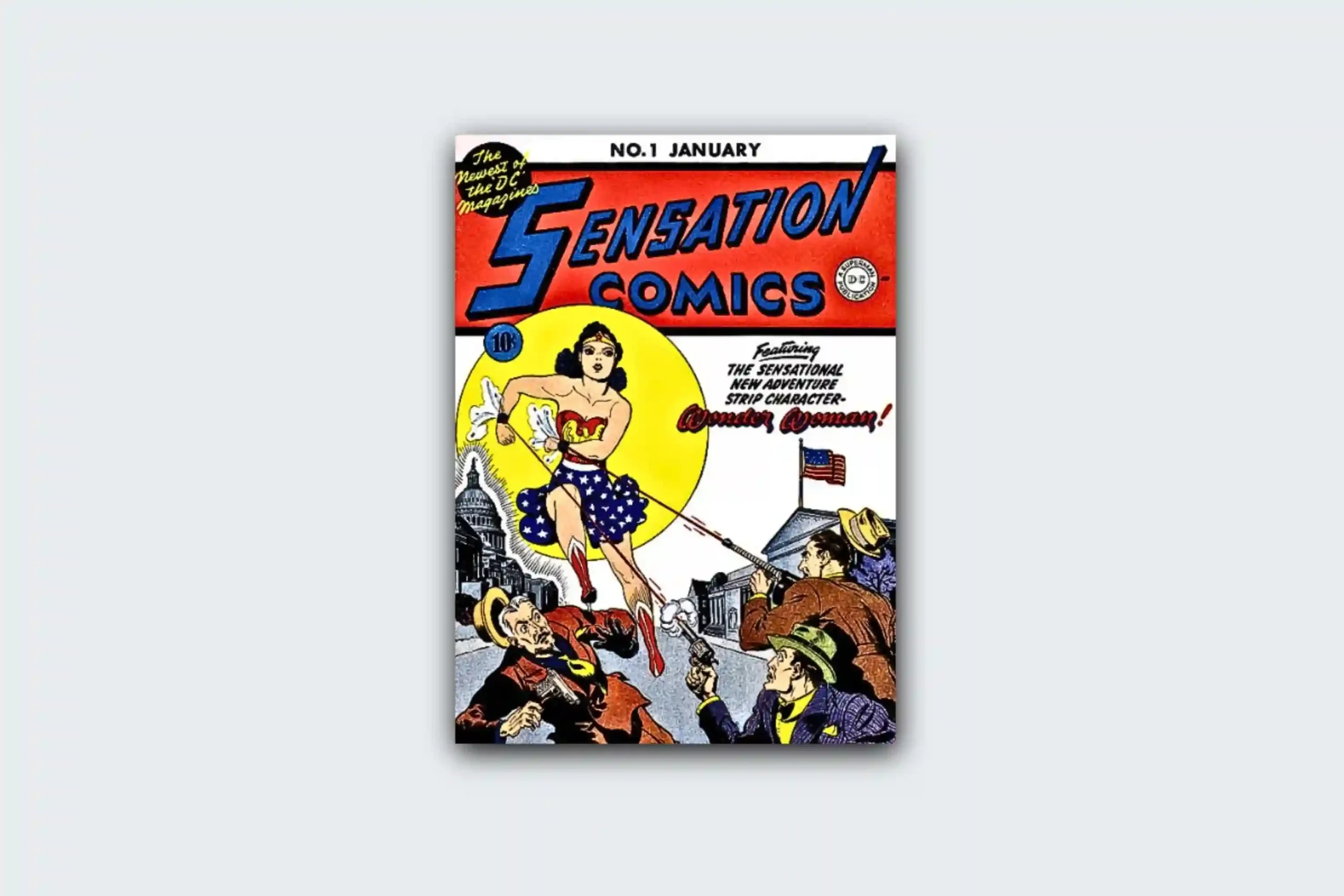
It took way too long for the market to properly respect Sensation Comics #1. That’s changing fast.
This is Wonder Woman’s first solo title. A feminist icon introduced during World War II when culture desperately needed new heroes.
Collectors now recognize:
Prices have surged. This book is no longer playing catch-up.
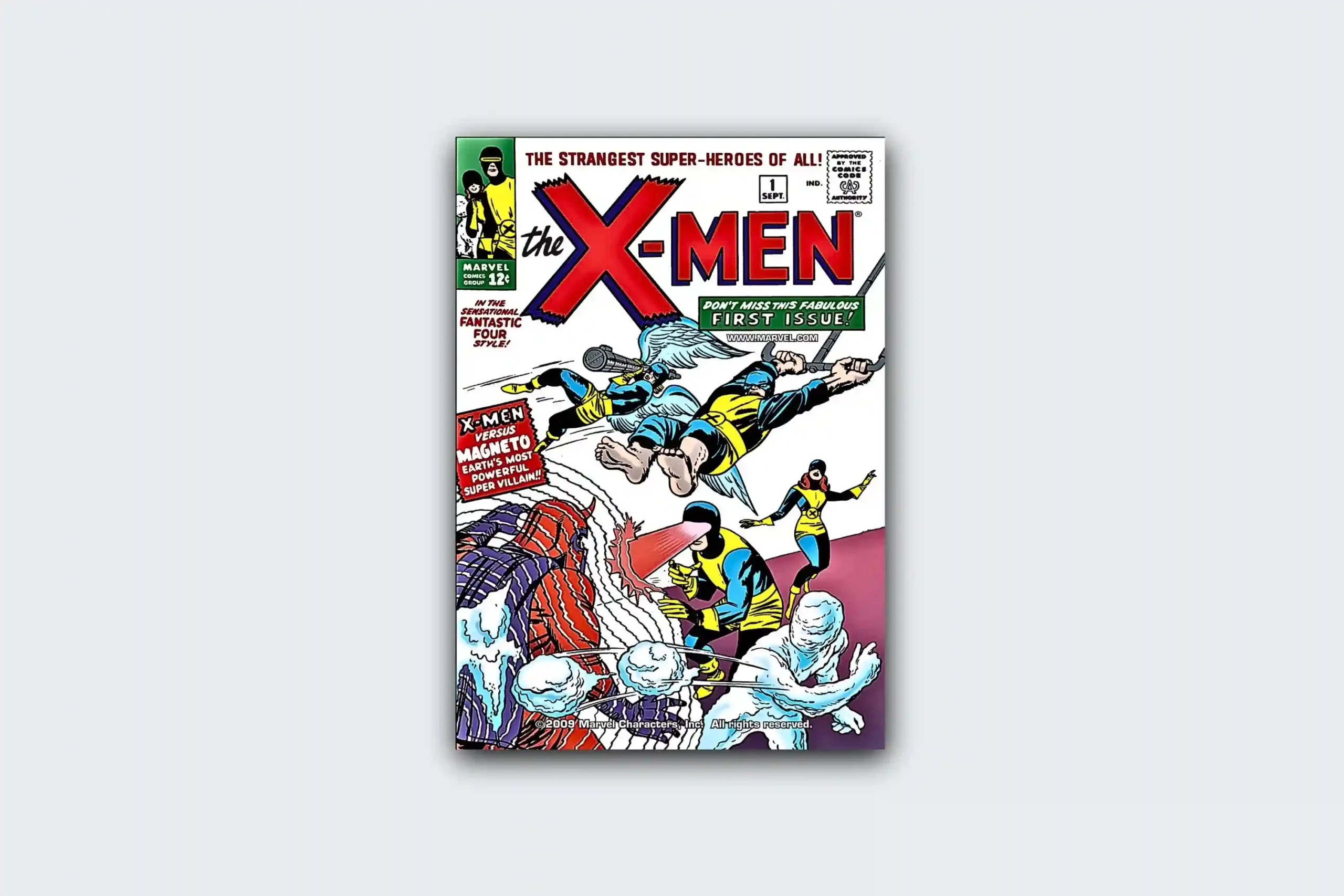
Here’s the funny part. X-Men #1 from 1963 was not a hit. The series limped along, got cancelled, and lived in reruns for years.
Then society caught up.
Now it’s:
High-grade copies are expensive because Marvel collectors are relentless and mutant stories refuse to age.
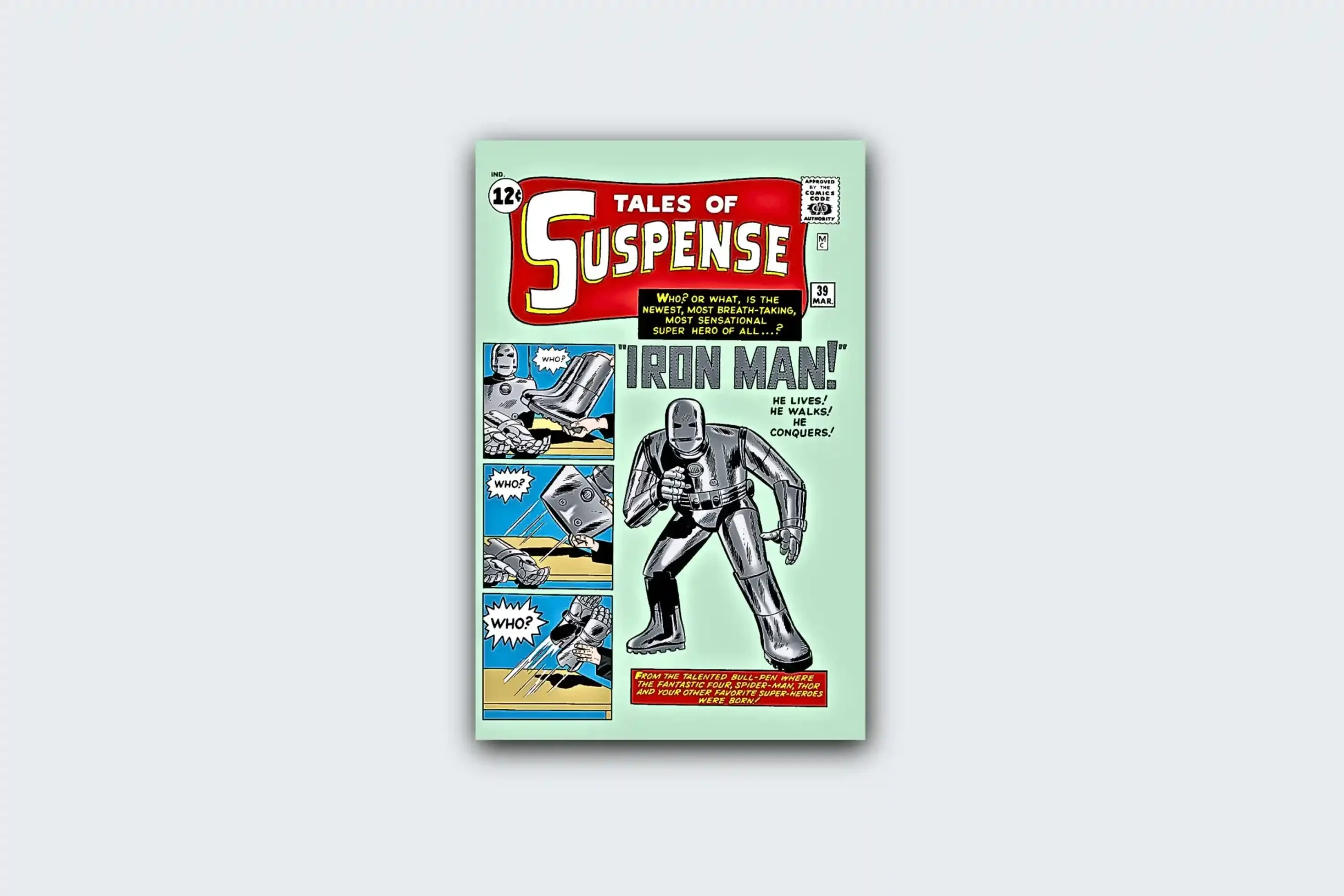
Iron Man wasn’t always beloved. He was complicated, wealthy, flawed, and built around Cold War anxiety.
This book introduced:
The MCU turned this comic into a financial monster. High-grade copies climbed fast and stayed there.
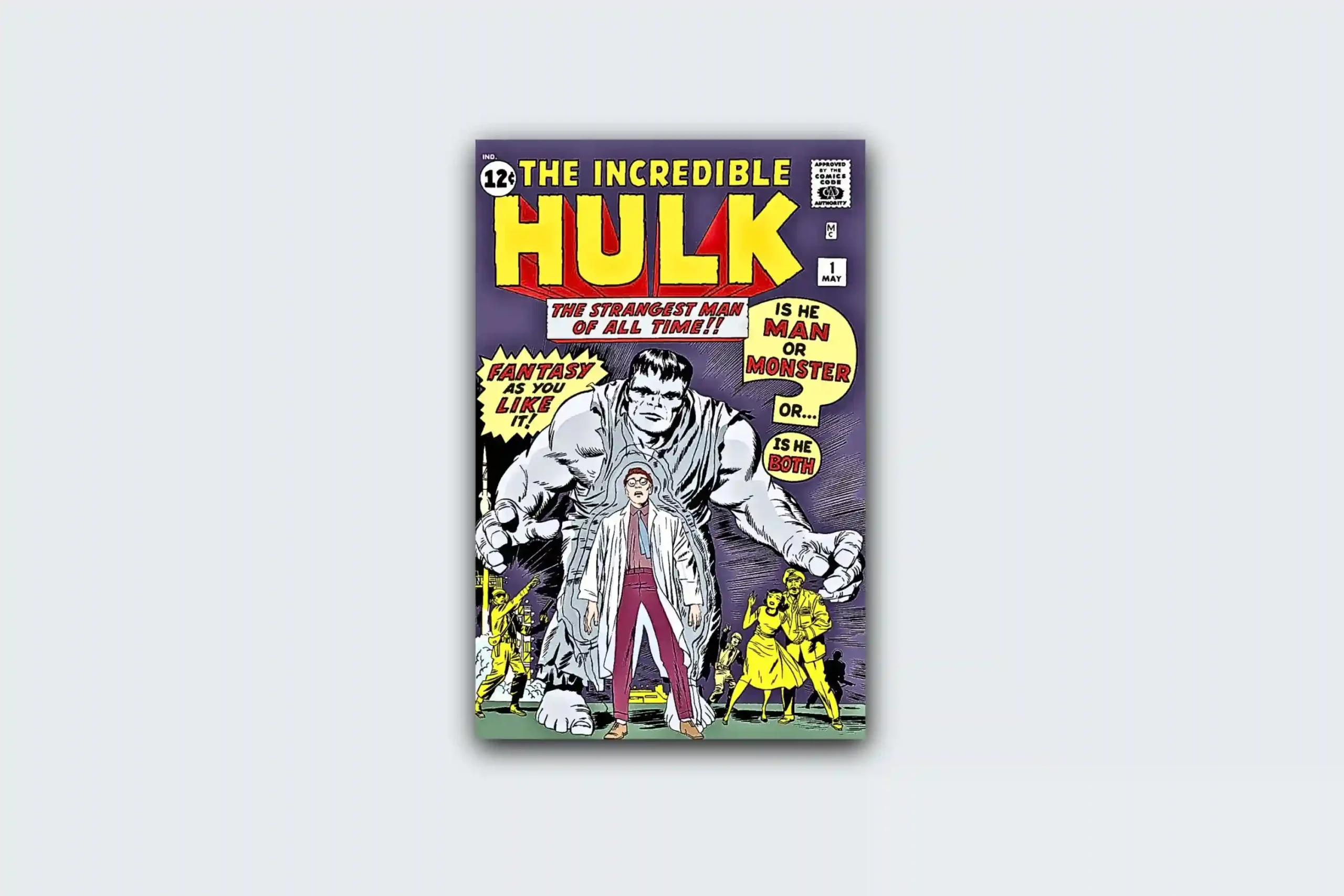
The Incredible Hulk #1 gave us a character that never quite fit. Green skin. Rage problems. Constant redesigns.
Collectors love it because:
This book doesn’t hit Action Comics money, but it comfortably lives in the high six figures and beyond.
Let’s address the elephant in the room. Yes, collectors care way too much about grades. And yes, they’re right.
A CGC 9.6 is not the same as a 4.0. Not emotionally. Not financially. Not historically.
Here’s why condition matters:
That crease you think adds character? It just shaved six figures off the price.
Not every sale is public. Some of the biggest transactions happen quietly between collectors who already own everything else.
These deals often involve:
The prices you see at auction are sometimes the conservative numbers.
Yes, that’s horrifying.
Modern Comics Will Not Do This (Stop Asking)
Every time this topic comes up, someone asks if their 1990s foil-cover special edition will be worth millions someday.
No.
Here’s why Golden Age and early Silver Age books dominate:
Modern comics were printed by the truckload and sealed immediately. Scarcity cannot be faked later.
The most expensive comic books aren’t expensive because they’re old. They’re expensive because they changed culture, survived neglect, and became symbols of moments that never repeated.
They’re art history disguised as entertainment.
They’re investment assets with capes.
They’re proof that cheap paper can outlive empires.
And yes, you will absolutely be judged if you call them “just comics.”