
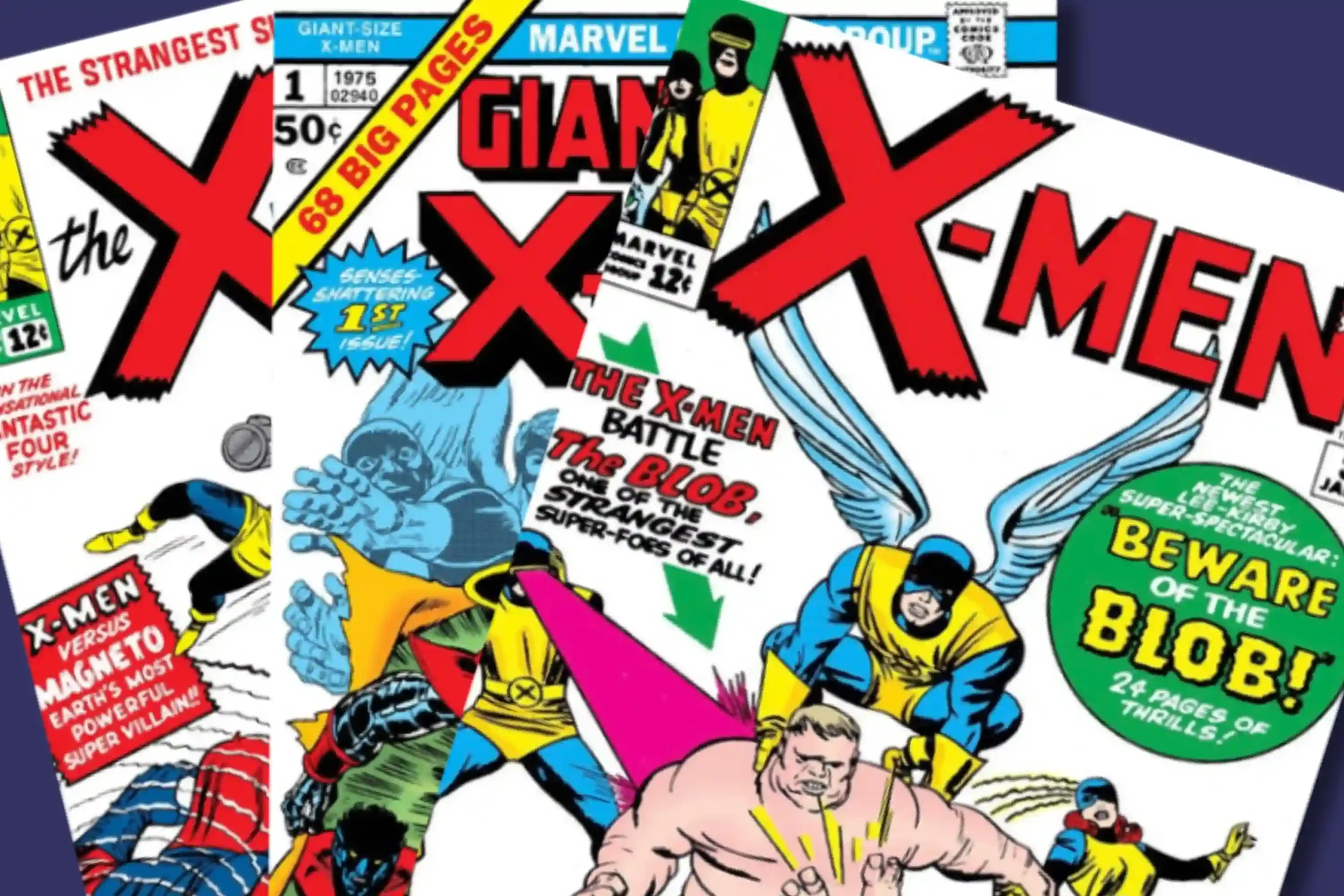
“Most valuable X-Men comics” is one of those phrases that sounds simple until you actually try to answer it. Prices swing. Reprints confuse people. Someone always brings up a mid-grade copy their cousin found in a garage and swears is worth six figures. It gets messy fast.
So let’s clean it up.
Remember: this is a comics-first, market-aware breakdown of the most valuable X-Men comics, focused on books that consistently command real money, not theoretical eBay dreams. We are talking first appearances, landmark issues, cultural inflection points, and the books collectors fight over when budgets get uncomfortable.
You actually just stumbled upon a blog with stuff that actually matters.
Before we talk specific issues, we need to get something straight. Value is not magic. It follows patterns.
The most valuable X-Men comics usually hit at least three of these pressure points.
Condition matters, but demand matters more. A near-mint nobody wants is still a nobody. A beat-up grail with the right name on the cover still turns heads.
X-Men books are especially strong because Marvel never lets the brand cool off. Mutants go dormant. They never disappear.
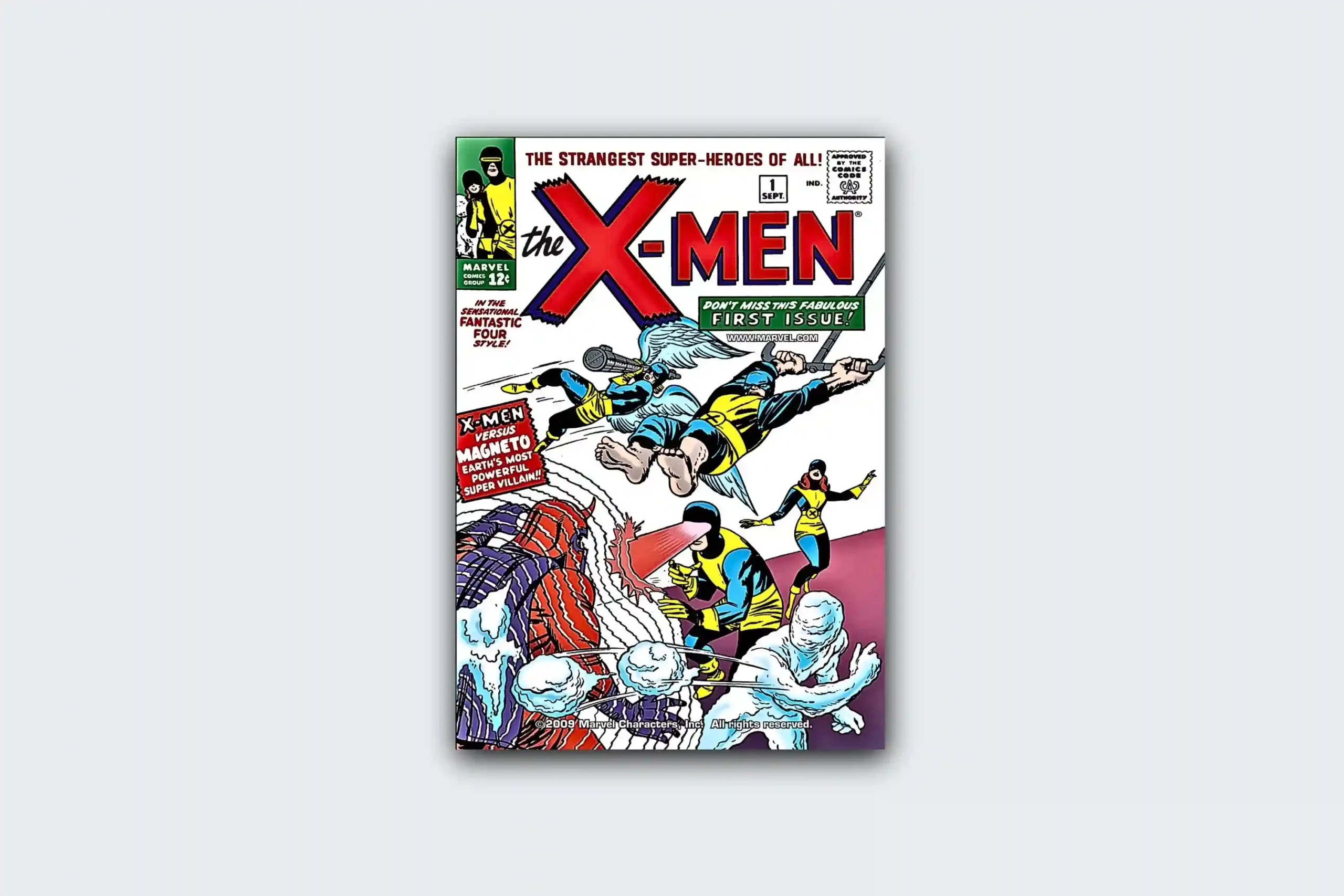
If you expected anything else at the top, you are lying to yourself.
X-Men #1 is the foundation. First appearances of Professor X, Cyclops, Jean Grey, Beast, Angel, and Iceman. Magneto shows up immediately, which feels almost rude in hindsight. This is a Marvel cornerstone.
High-grade copies live in museum-tier collections. Even low-grade copies sell for numbers that make normal people uncomfortable.
Why it stays valuable
If you own one, you know. If you don’t, you are tired of hearing about it.
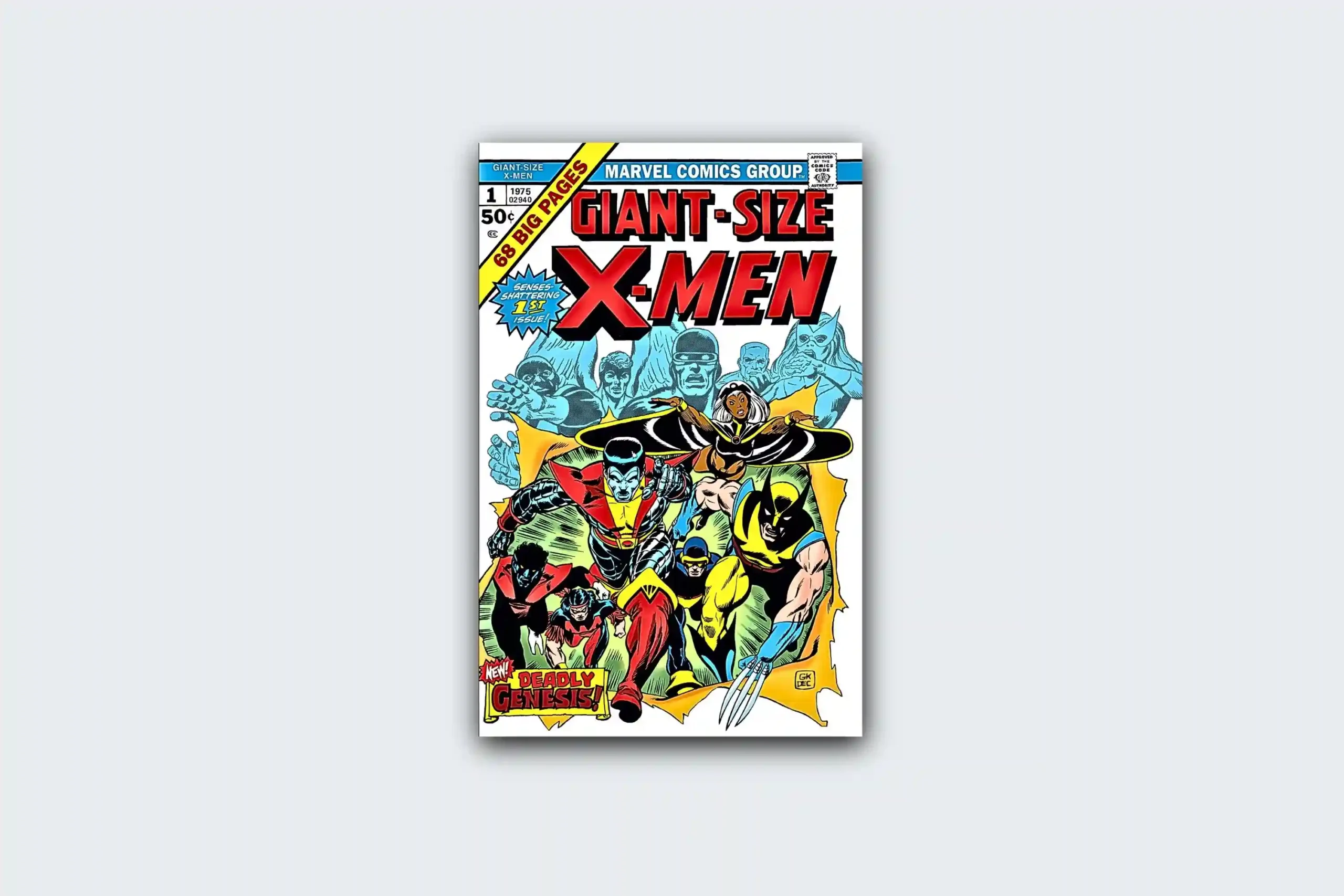
This is the book that made the X-Men what people actually love.
First appearances of Wolverine, Storm, Colossus, Nightcrawler, and Thunderbird. This issue rebooted the franchise into something global, diverse, and expandable.
Collector demand never drops because this is the gateway book for almost every modern X-Men fan.
Why collectors chase it
High-grade copies have been climbing steadily for years. This is structural demand.
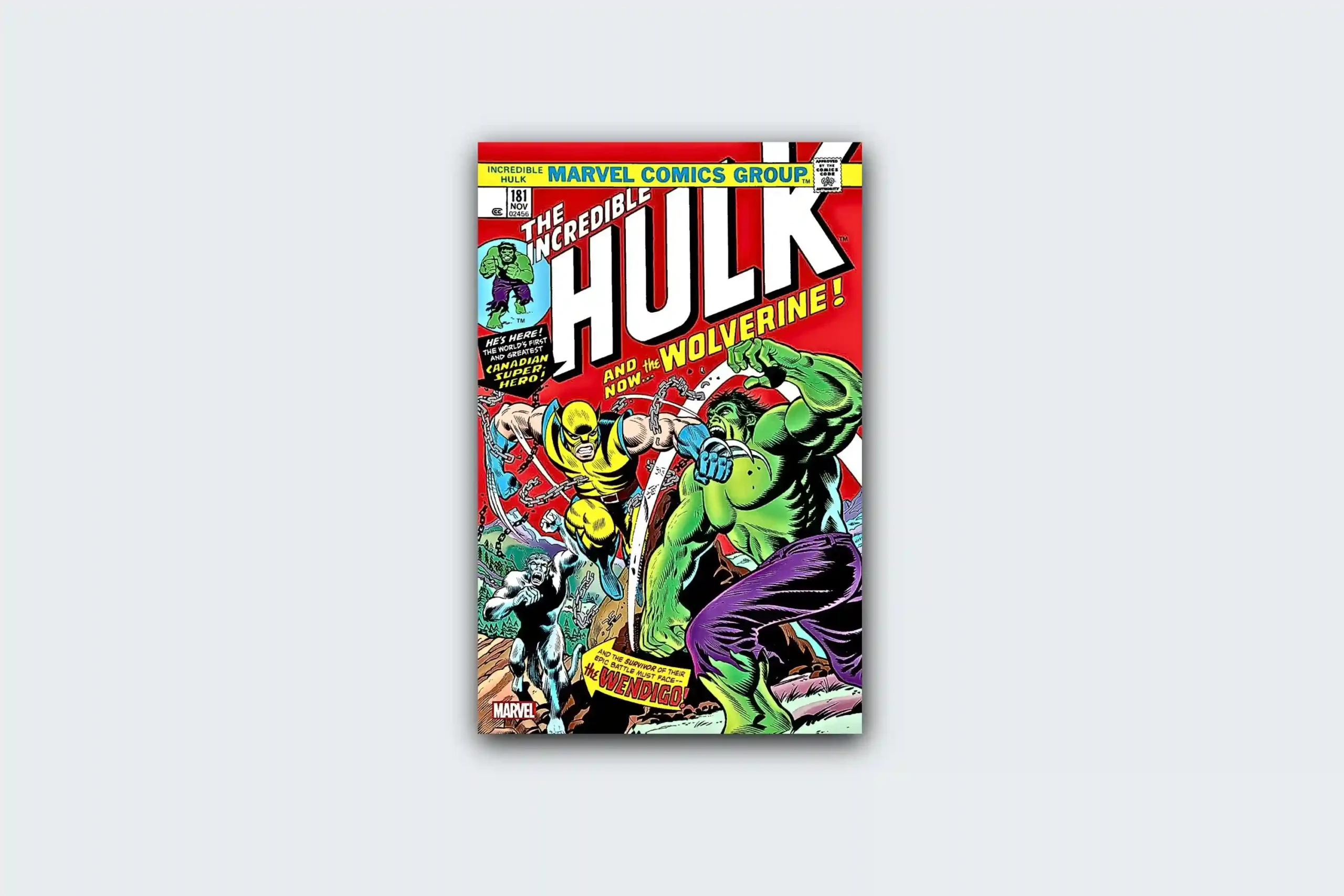
Yes, it’s not technically an X-Men title. No, that does not matter.
Hulk #181 is the first full appearance of Wolverine, and it behaves like a blue-chip stock. Prices fluctuate, but the long-term trend has been painfully obvious for decades.
The cover is iconic. The character is untouchable. The demand is global.
If you want to understand why collectors talk about Wolverine differently, start here.
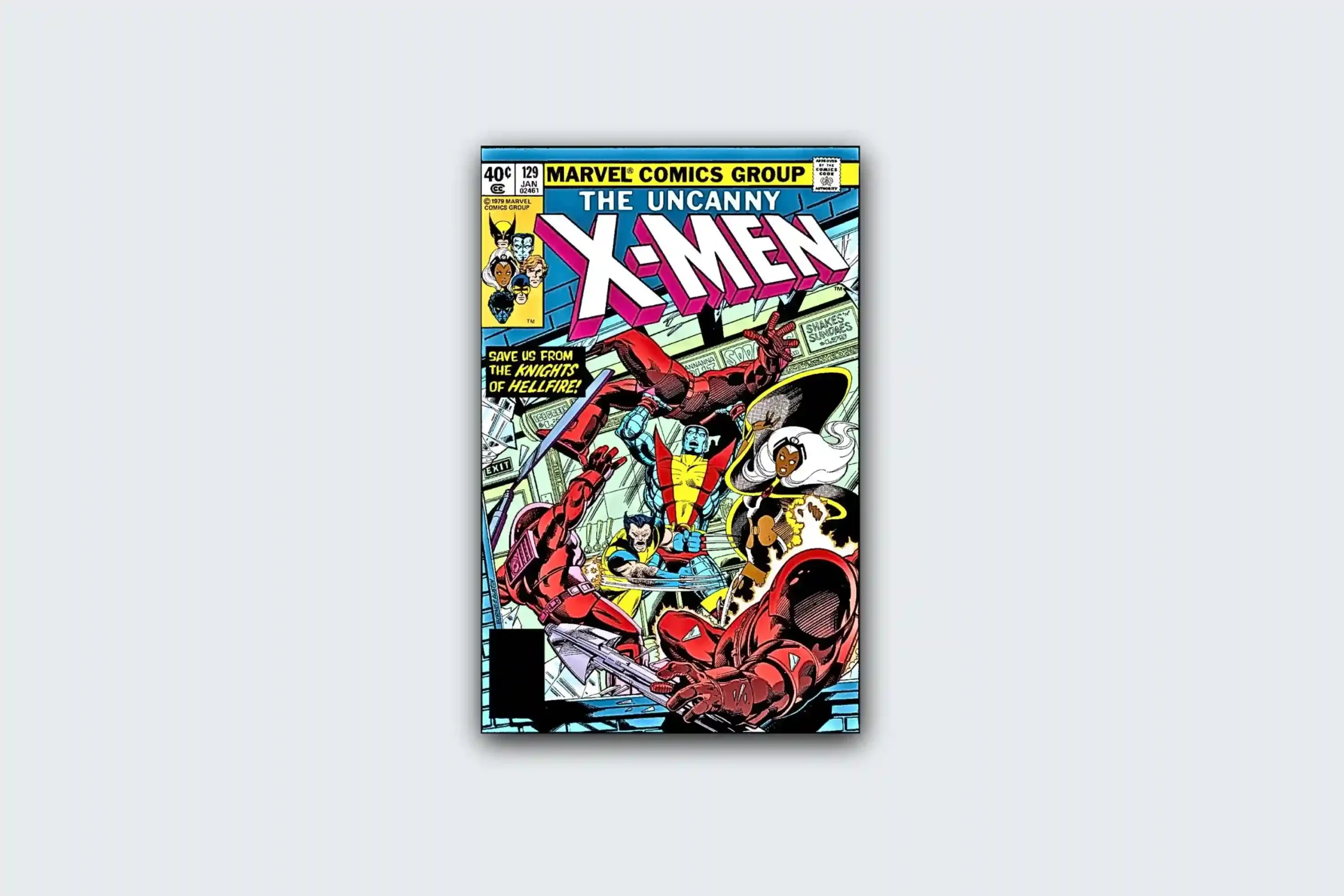
This is a run, not a single issue, and yes, that matters.
The Dark Phoenix Saga turned Jean Grey into a mythic figure and proved X-Men stories could be operatic, tragic, and cosmic without losing character focus. Issue #129 is the first appearance of Dark Phoenix. Issue #137 delivers the ending people still argue about.
Key issues in the run
High-grade copies of #129 are the prize, but full runs command strong money because collectors understand context.
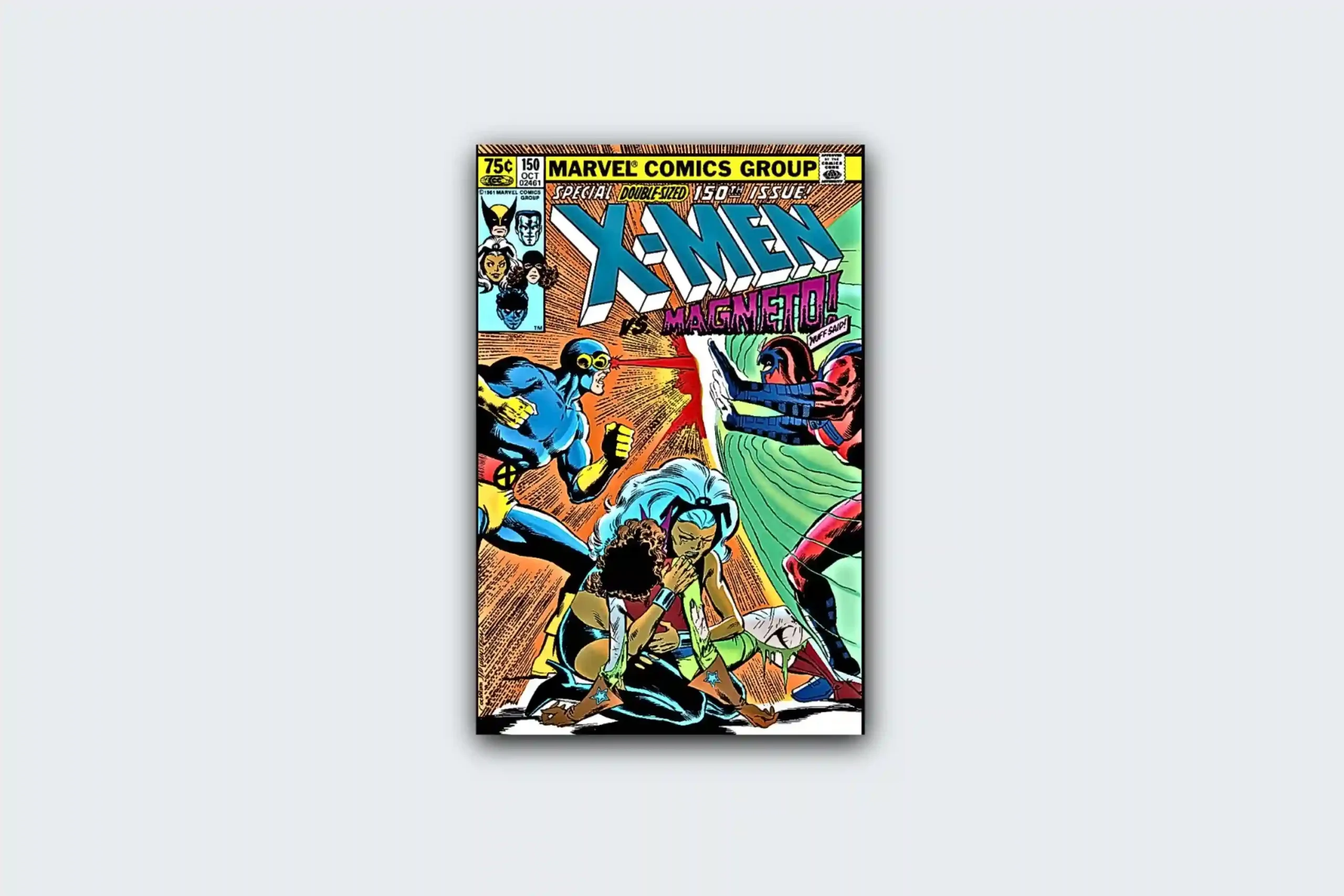
X-Men #150 is where Magneto stops being a mustache-twirling villain and starts becoming interesting.
The issue reframes him as a revolutionary shaped by trauma, not just ego. That shift matters long-term, and collectors reward books that redefine characters.
This issue does not hit Hulk #181 numbers, but its importance keeps it firmly in valuable territory.
Why it holds
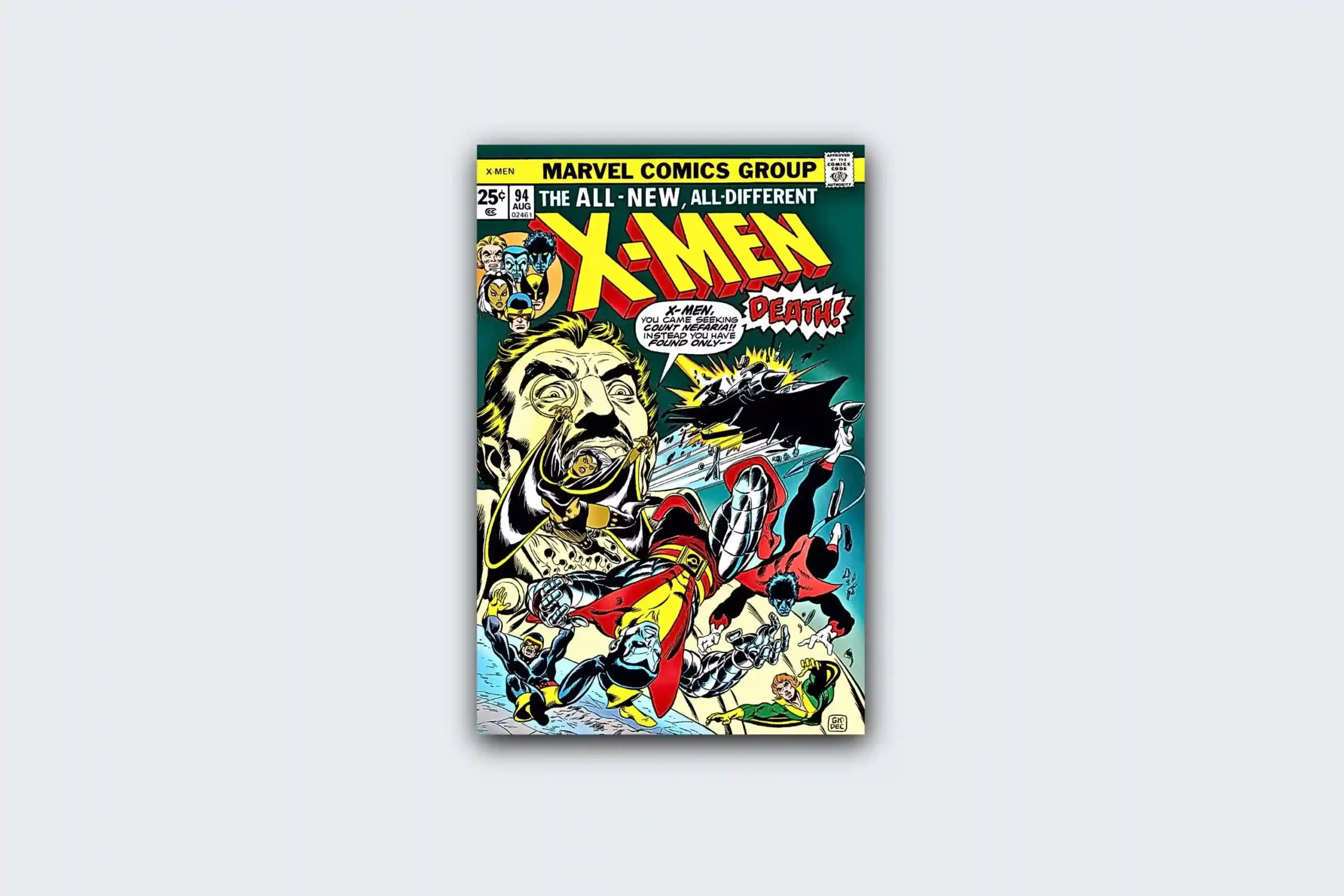
This is the first issue of the Claremont and Cockrum run, and if you care about X-Men comics at all, you already know why it matters.
It marks the start of the longest, most influential creative run in X-Men history. Many collectors treat this as the real beginning of modern X-Men storytelling.
Why it stays hot?
Magneto’s Brotherhood of Evil Mutants debuts here, including Scarlet Witch and Quicksilver. Both characters have since exploded in relevance well beyond their original roles.
This issue benefits from retroactive importance. The market noticed.
First appearance of Juggernaut. A simple concept executed perfectly. He punches things and does not stop. Fans love him. Collectors do too.
First appearance of the Sentinels. Conceptually massive for mutant mythology. Robots that hate you for existing is a strong hook.
Wolverine versus the Hellfire Club guards. Berserker rage. Iconic panel work. This issue is collected, referenced, and remembered because it distills Wolverine into pure threat.
It is not a first appearance, but it behaves like a fan-favorite key.
Yes, modern books can be valuable. No, most of them are not.
These stand out.
First appearance of Cassandra Nova. Morrison-era relevance plus sustained interest keeps this book moving.
This book rebooted the X-Men mythos again and stuck the landing. High print run, but massive demand in high grade.
Modern value works differently. Condition is everything.
Quick reality check.
Variants matter only when demand already exists.
Reprints are almost never valuable long-term.
Slabs stabilize value but do not create it.
Grade matters most on Silver Age keys. A low-grade X-Men #1 still beats a perfect modern variant nobody cares about.
Every list needs honesty.
Fun books. Not valuable books.
Serious collectors do not chase everything. They chase inevitability like books tied to characters Marvel will never abandon. Issues that define eras. Stories that get reprinted because people will not stop reading them.
That is why X-Men keys hold so well. The franchise reinvents itself, but it never disowns its past.
The most valuable X-Men comics are not as mysterious as fans pretend to be. They are the issues that built the franchise, reshaped its characters, or introduced mutants who refuse to leave cultural relevance.
X-Men #1 is still king.
Giant-Size X-Men #1 is still the smartest buy if you can afford it.
Wolverine still prints money.
Dark Phoenix still matters.
Everything else is noise.
If you are collecting X-Men seriously, you are buying into a mythos that Marvel keeps feeding, decade after decade.