
Ask DC fans who the most loved villain is and you will get arguments, memes, and long comment threads that spiral fast. Ask the same question across polls, list articles, convention surveys, Reddit threads, TikTok edits, Halloween costumes, and box office numbers, and something interesting happens. The chaos collapses into consensus.
The Joker wins. Every time.
Not because he is the most evil. Not because he is the strongest. Not because he has the highest body count. He wins because love, in fandom terms, is not about morality. It is about fascination, cultural reach, repeat engagement, and how often people voluntarily spend time with a character who is objectively terrible.
The most loved villain in DC is the Joker.
That answer holds whether the question is framed as most loved, most popular, or most famous. It holds across comic readers, casual fans, movie-only audiences, and people whose DC knowledge mostly comes from Halloween costumes and TikTok edits. When love is defined as recognition, emotional response, cultural penetration, and repeat fan engagement, the Joker sits alone at the top.
Lex Luthor usually places second. Darkseid usually places high when the question shifts toward threat or pure evil. Harley Quinn has surged into the upper tier of fan affection, sometimes rivaling Joker depending on demographic. None of them consistently displace him.
And please, know that this is not a hot take in any way, shape, or form. It is the boring answer that survives contact with evidence.
“Most loved” is a fuzzy term, so it needs boundaries. This article measures love the way fandom actually expresses it.
The metrics that matter are visibility, longevity, fan engagement, cultural adaptation, and voluntary attention. Characters that fans seek out repeatedly rank higher than characters they merely respect or fear.
That includes how often a villain headlines stories, how often they appear in adaptations, how recognizable they are outside comics, how frequently fans cosplay them, quote them, remix them, or argue about them online, and how often publishers center them in marketing without needing explanation.
By those standards, the Joker is in a different weight class.
The Joker works because he scales.
Every generation gets its Joker. Cesar Romero. Jack Nicholson. Heath Ledger. Mark Hamill. Joaquin Phoenix. Each version reaches a different audience, and none of them cancels the others out. They stack. That stacking effect compounds love and familiarity in a way no other DC villain can replicate.
Comics reinforce this cycle. Landmark Joker stories keep resetting the bar. The Killing Joke reframed him as a philosophical threat. Arkham Asylum leaned into psychological horror. Scott Snyder’s Death of the Family made him mythic and invasive. Each era retools the character without diluting him.
Fans love him because he is endlessly watchable. He creates tension, unpredictability, and spectacle on demand. He turns every story into an event simply by entering it.
That is fan love in its purest form.
After the Joker, the field gets crowded. These villains inspire loyalty, fascination, and strong opinions, even if they lack Joker-level saturation.
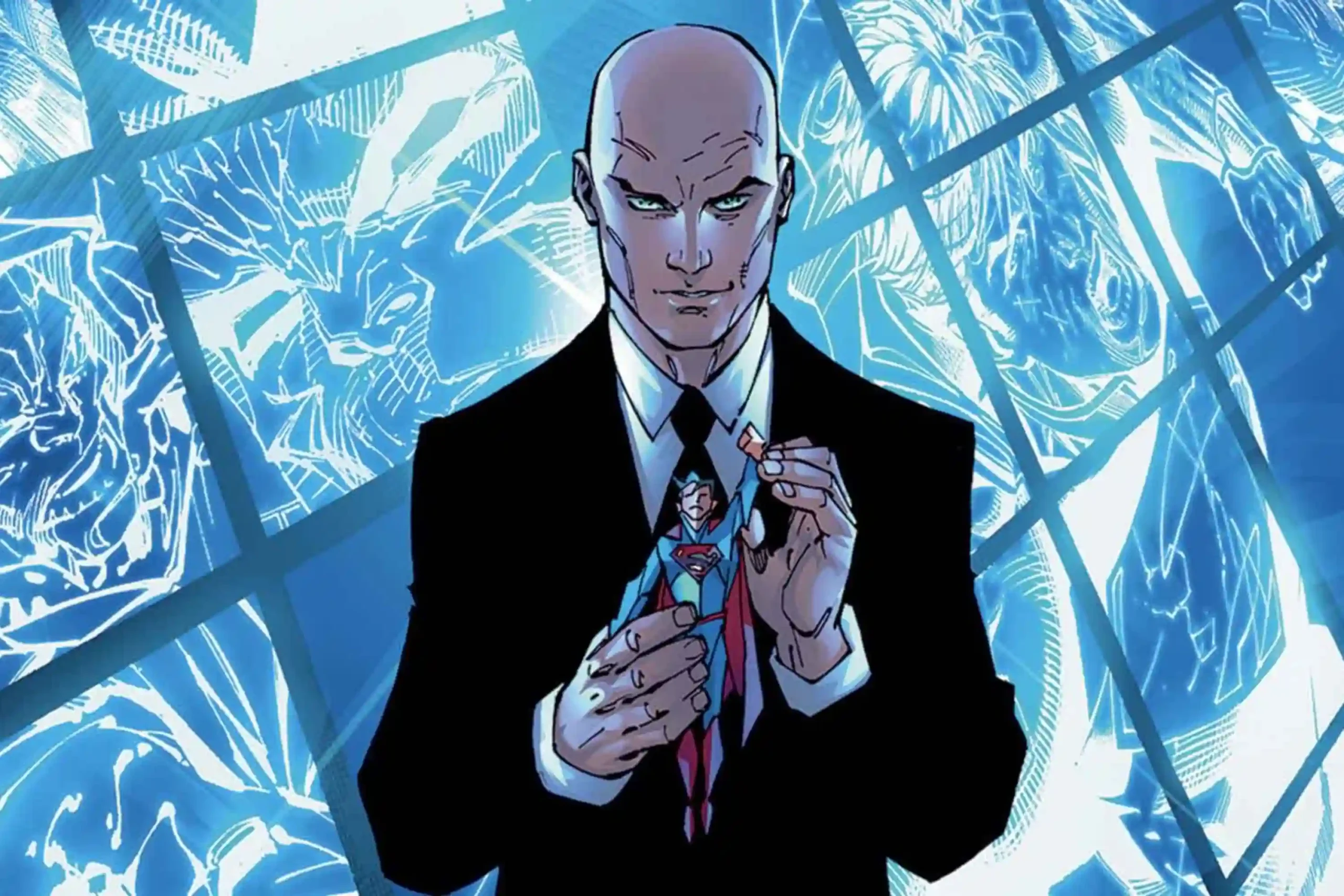
Lex Luthor is the most respected DC villain, which is not the same as most loved but often overlaps. He represents ambition, intellect, and human ego standing against a god. Fans admire his competence even when they hate his worldview.
Lex ranks high in popularity polls, especially among long-time readers. He does not dominate pop culture the way Joker does, but within comics spaces, his credibility is unmatched. He feels real, which gives him staying power.
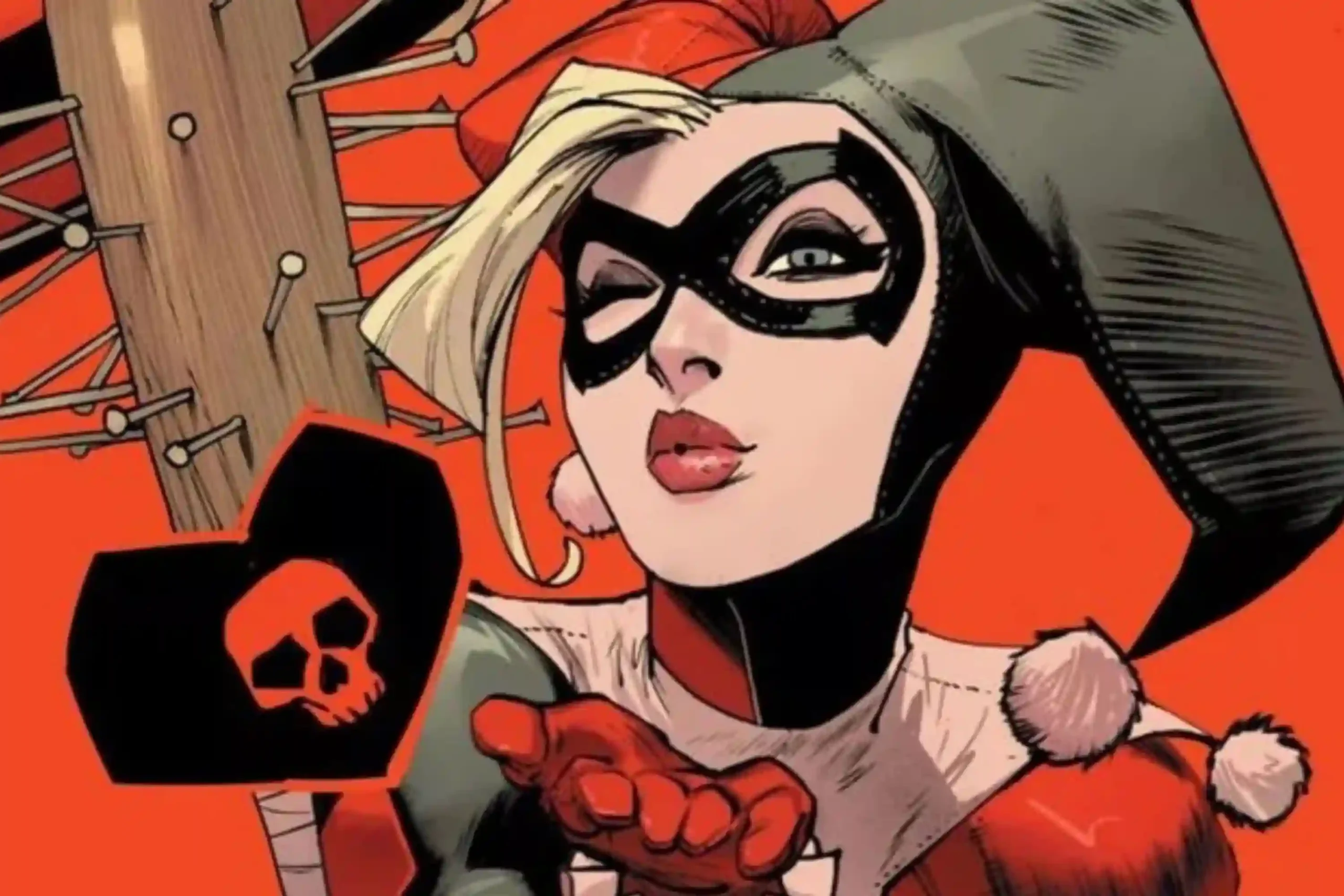
Harley Quinn’s rise has been explosive. She has crossed from villain to antihero to cultural icon in less than three decades. Fans love her energy, her aesthetic, and her chaotic independence from Joker-centric storytelling.
In some demographics, Harley rivals or surpasses Joker in fan affection. The difference is that Joker dominates across all demographics, while Harley peaks higher in specific ones.

Catwoman benefits from ambiguity. She operates in the gray space between villain, antihero, and romantic foil. Fans love her because she feels human, stylish, and self-directed.
She is not feared. She is not hated. She is enjoyed. That keeps her permanently relevant even without cosmic stakes.
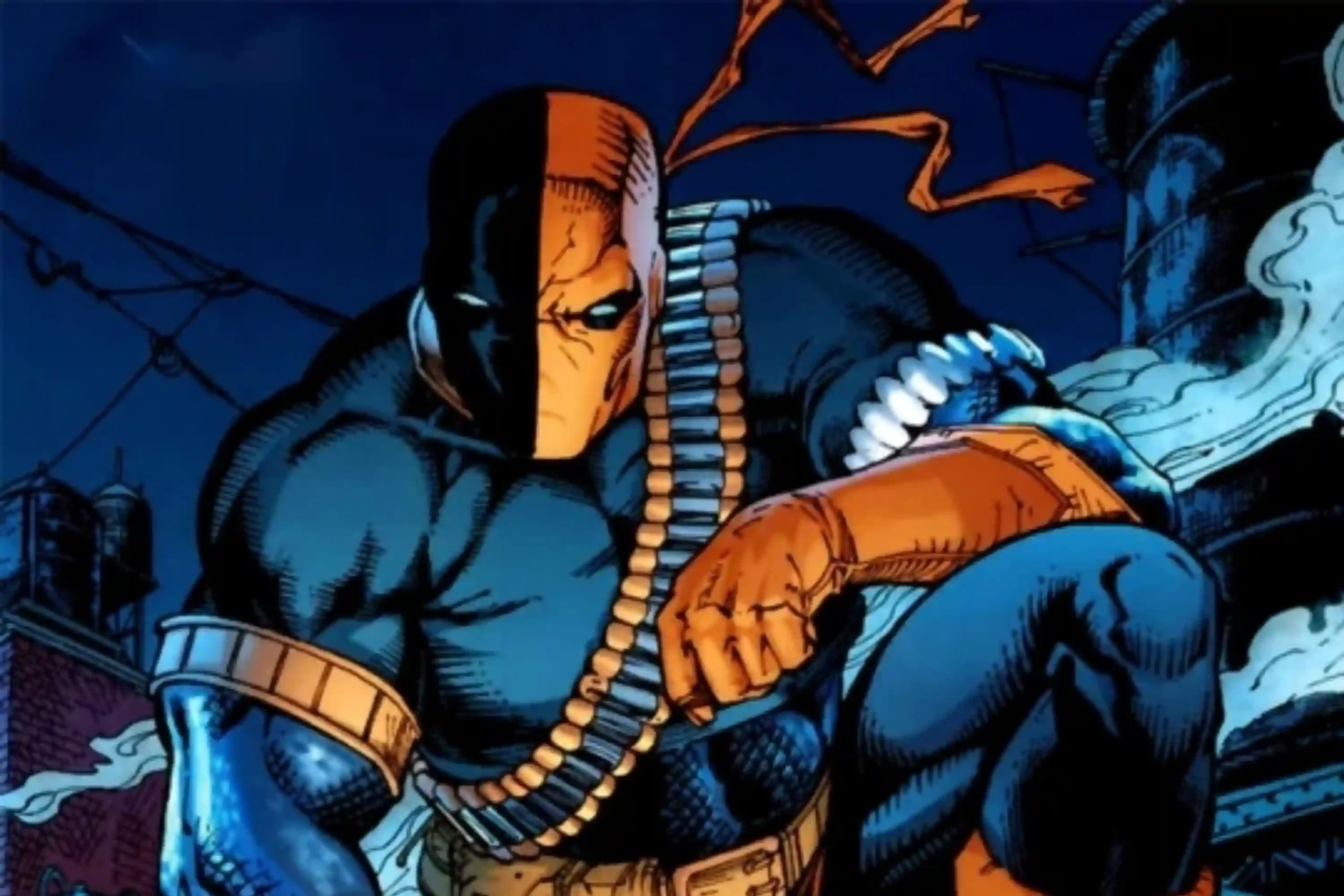
Deathstroke attracts fans who value skill, menace, and tactical dominance. He is admired more than loved, but admiration often turns into loyalty. His presence signals serious stakes, especially in Teen Titans and Batman-adjacent stories.
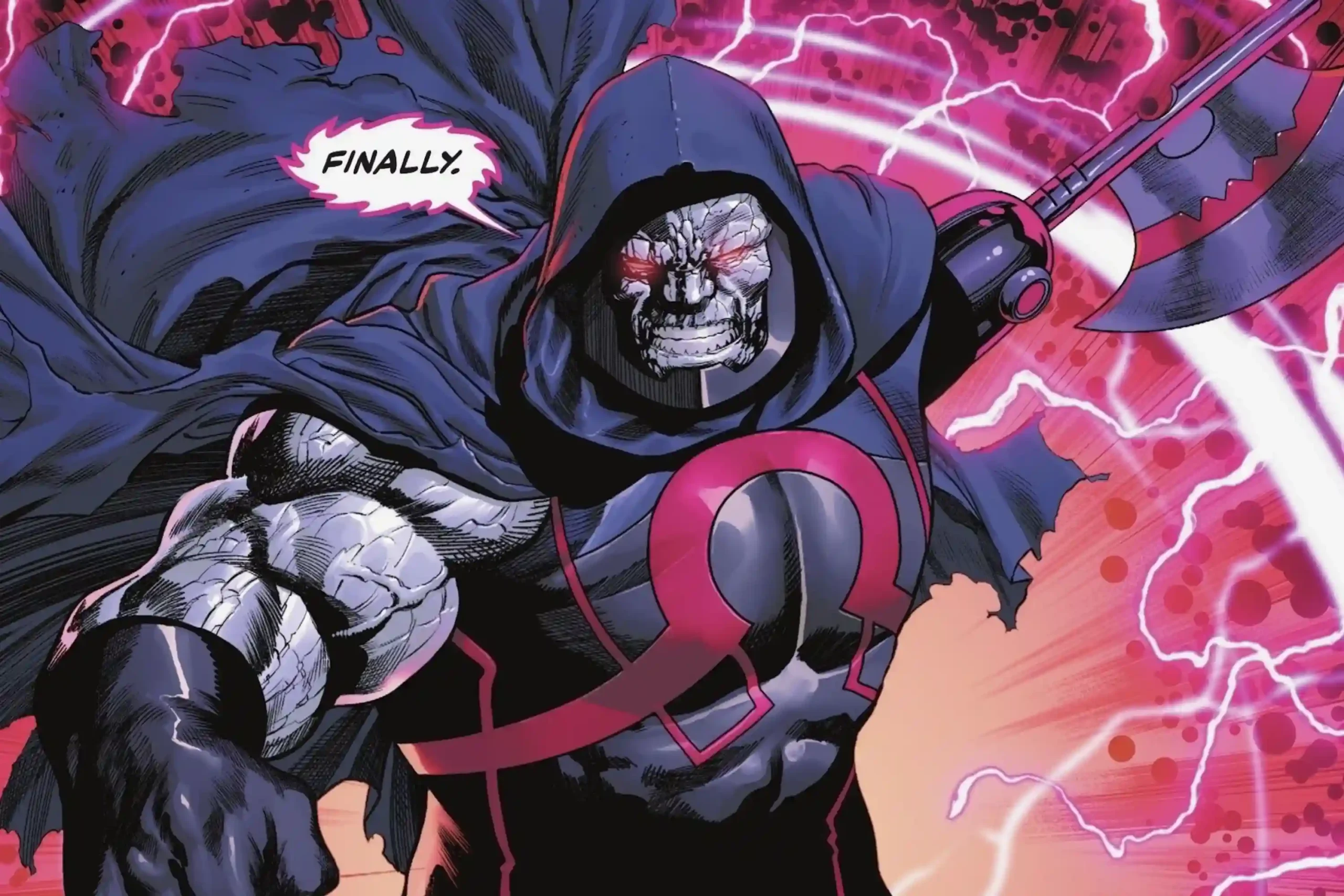
Darkseid is revered rather than loved. Fans respect him as evil incarnate, a cosmic tyrant whose presence elevates the scale of any story. He ranks extremely high when the question becomes who is the baddest villain in DC.
These terms get mixed up constantly, so it helps to separate them cleanly.
Most loved refers to emotional engagement and fan affection. Joker wins here.
Most famous refers to name recognition beyond comics. Joker wins again, followed closely by Lex Luthor and Harley Quinn.
Most popular often overlaps with loved, but popularity spikes with adaptations. Harley sometimes outperforms Lex here depending on the year.
Baddest refers to threat level and evil. This is where Darkseid enters the conversation. When fans argue about pure menace, Darkseid often takes the crown.
The mistake many articles make is treating these categories as interchangeable. They are not. Joker is rarely described as the most evil villain in DC. He is described as the one fans cannot stop talking about.
That distinction is the entire point.
If you want to understand fan love, read the stories fans never stop recommending.
For Joker, start with The Killing Joke. Then Arkham Asylum. Then Death of the Family. These books show how flexible the character is across tone and theme.
For Lex Luthor, read Superman. Birthright and Lex Luthor. Man of Steel. These stories capture why fans respect him as much as they fear him.
For Harley Quinn, Mad Love is essential. So are her modern solo runs that reposition her as a character with agency rather than a punchline.
For Darkseid, Final Crisis and Jack Kirby’s Fourth World material remain foundational. They show why he represents something larger than a single villain role.
Collecting-wise, Joker-centric issues remain some of DC’s most stable long-term holds. First appearances, major Joker arcs, and Batman-Joker confrontation issues consistently retain demand because the character never leaves the conversation.
If the question is who is the most loved villain in DC, the answer is the Joker. The evidence is overwhelming, consistent, and boring in its reliability.
Other villains are scarier. Some are smarter. A few are more powerful. None command the same level of sustained fan attention, cultural penetration, and emotional response across generations.
Love in fandom is about who people choose to engage with again and again. By that metric, the Joker is not just winning. He has already lapped the field.
And DC knows it.