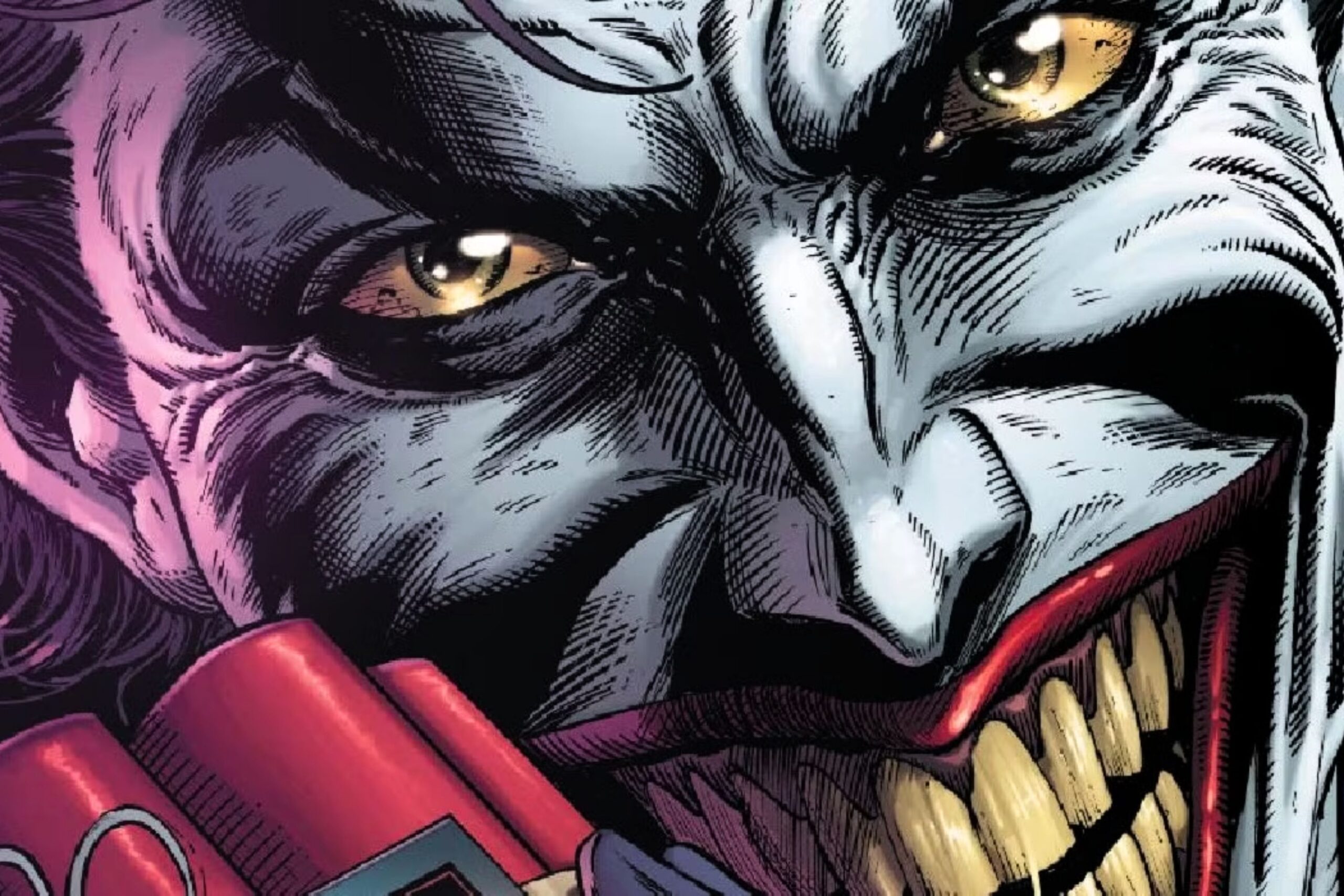
Batman has fought aliens, mob bosses, and people who think green question marks count as fashion.
None of them matter like the clown.
Ask any comic fan why Joker is the greatest villain and you will hear the same quick answers. Chaos. Fear. Psychological warfare. Those points are correct. They also miss the deeper reason.
Joker does not operate inside the normal villain playbook. He breaks story logic itself. Writers use him to test Batman’s rules. Readers feel that pressure immediately.
That tension also explains why collectors chase Joker issues. Certain stories reshape the character. Certain issues quietly become key books. When Joker evolves, the market notices.
So yes, we are answering why Joker is the greatest villain.
But we are doing it the comic nerd way. Through the books that prove it.
Every villain debate eventually circles back to the same question.
Is the Joker the best villain?
Short answer. Yes. Long answer. Also yes, but now we explain it with evidence instead of internet shouting.
The reason why Joker is the greatest villain shows up across decades of comics. Writers reinvent the character without breaking the core idea. That rarely happens with villains. Three traits explain the durability.
Most villains follow a pattern.
Lex Luthor wants power. Thanos wants cosmic balance. Doctor Doom wants control.
You can plan around their motives. Joker refuses that structure. His plans change depending on the writer, the moment, or the punchline he wants to land. That unpredictability creates tension in every story.
Batman solves problems through logic. Joker ruins logic. Readers feel the threat immediately.
Batman represents order. Discipline. Preparation.
Joker represents chaos. Improvisation. Destruction for amusement.
The relationship explains why Joker is the greatest villain more clearly than any single storyline. They are narrative opposites. Remove either one and the other loses impact.
Batman without Joker becomes a detective fighting crime. Batman with Joker becomes a moral test.
Joker moves between generations without losing relevance.
Comics. Animation. Games. Films.
Every era produces a new version. Every version pulls from the same core idea. Chaos wearing makeup. Few villains survive that many reinterpretations.
Collectors notice this pattern quickly. Joker issues spike because readers keep returning to the character. Demand follows the story.
People love asking what type of villain is the Joker.
The answer changes depending on the story. That flexibility forms the backbone of why Joker is the greatest villain.
Writers often frame Joker through several narrative roles.
The oldest version of the character.
Silver Age Joker behaved like a lethal prankster. He used themed crimes, elaborate traps, and theatrical chaos. The tone felt absurd. The danger stayed real. That DNA still exists in modern stories.
Some arcs shift Joker into pure psychological warfare.
He targets Gotham’s social order. He attacks symbols. He forces people to make horrible choices. Stories like The Killing Joke or Death of the Family lean heavily into this version.
The best Joker stories focus on Batman.
Joker becomes a reflection. He tries to prove that Batman operates one bad day away from the same darkness.
This concept explains why Joker is the greatest villain better than any punch line. Joker attacks identity. Batman refuses the invitation.
Modern Joker stories sometimes lean into cultural commentary.
Joker spreads chaos through ideas. He influences people who want destruction without understanding the cost.
That approach appears in several recent runs. Each interpretation keeps the character fresh. That flexibility keeps collectors interested.
The Joker alone would still work. The Joker paired with Batman becomes legendary.
Understanding the rivalry explains why Joker is the greatest villain more clearly than any power comparison.
Batman and Joker form a narrative equation.
Batman | Joker |
Control | Chaos |
Preparation | Improvisation |
Justice | Destruction |
Fear as tool | Fear as entertainment |
The contrast creates constant tension. Batman studies criminals. Joker studies Batman.
Joker designs crimes that attack Batman’s beliefs instead of his body. That focus explains why readers remember Joker stories decades later.
A fistfight ends quickly. A moral dilemma stays with the reader. Collectors notice something else.
The most valuable Joker issues often highlight this philosophical conflict. Not the violence. The tension.
Examples include:
Those stories reshape the dynamic. They also become key books in the hobby.
Another popular question shows up often.
How weak is the Joker?
Physically speaking, very. He has no superpowers. No alien physiology. No advanced armor.
Batman could end the fight quickly in most situations. Yet we still ask why Joker is the greatest villain. Because Joker fights on a completely different level.
His tools include:
Joker does not need to overpower Batman. He needs to destabilize Gotham. That approach makes Joker dangerous at a systemic level. Examples show up constantly in the comics.
Power level discussions miss the point.
Joker’s threat spreads across the environment of the story. He weaponizes fear, reputation, and spectacle. Physical weakness becomes irrelevant.
This idea reinforces why Joker is the greatest villain in narrative terms.
Fans love to ask what is the Joker’s IQ.
There is no confirmed number in canon. Different writers imply different levels of intelligence. The better question sounds slightly different.
Is the Joker a smart villain?
Absolutely. Joker displays several forms of intelligence throughout the comics. Strategic intelligence appears in his long game plans. Psychological intelligence shows up in how he manipulates people. Creative intelligence fuels the bizarre crimes.
Joker also understands Batman extremely well. That insight explains many of his best schemes. He predicts Batman’s reactions. He anticipates emotional pressure points. He creates traps that exploit Batman’s values.
Luck plays a role sometimes. Chaos always contains randomness. Still, dismissing Joker as lucky ignores decades of storytelling. Smart villains create pressure. Joker creates narrative earthquakes.
That is another reason why Joker is the greatest villain keeps resurfacing in fan debates.
Another classic question appears constantly.
Why is the Joker so evil?
Comics intentionally avoid a single answer.
The character often changes his own origin story. That ambiguity protects the myth. Mystery strengthens the horror. Some stories hint at tragedy. Others suggest pure nihilism. Joker himself once delivered the best explanation.
He prefers multiple choice.
That statement captures the philosophy perfectly. Joker treats identity as a performance. Readers never receive a stable answer. The uncertainty becomes part of the threat. Batman faces criminals with motives. Joker represents chaos that refuses explanation.
That idea reinforces why Joker is the greatest villain again and again.
Talking theory feels fun. Reading the stories matters more.
Collectors often ask for the arcs that truly show why Joker is the greatest villain. The following comics deliver that experience without requiring encyclopedic Batman knowledge.
One of the most influential Joker stories ever published. Alan Moore explores the idea that one terrible day can break a person. Joker attempts to prove the theory through Commissioner Gordon. The comic also introduces the famous ambiguous origin sequence.
This story revived Joker as a lethal threat after years of goofy appearances. Neal Adams redesigned the character. Denny O’Neil pushed the tone back toward horror. Collectors recognize this issue as a turning point in Joker history.
Scott Snyder’s run delivered one of the most disturbing Joker arcs in modern comics. Joker returns after a long absence. He begins targeting everyone close to Batman. The story focuses heavily on psychological warfare. Readers witness Joker dismantling Batman’s support system.
Jason Todd’s fate still echoes through Batman continuity. Joker manipulates global politics and ends up confronting Robin in a brutal storyline. Fans famously voted on the outcome. The arc demonstrates how Joker stories reshape the larger DC universe.
Ed Brubaker retells Joker’s first encounter with Batman. The story feels grounded. Gotham reacts to Joker’s arrival with genuine fear. Batman slowly realizes the scale of the threat. Collectors appreciate this issue for its clean introduction to the character.
Comic reading lists often stop at recommendations.
Collectors need something deeper. They want to know which stories move the character forward. They want to identify the issues that quietly become key books.
Hovig focuses on comic collectors who care about signal instead of noise.
Joker makes a perfect case study.
A casual fan sees a list of stories. A collector sees patterns.
Example patterns collectors watch:
These elements often correlate with rising demand. Great characters create lasting demand.
A small group of fans still raises one objection.
How weak is the Joker compared to other villains?
The answer remains simple. Strength does not define villain quality. Joker lacks superpowers. Joker lacks physical dominance. Joker sometimes loses fights badly. None of that damages the character.
Stories depend on conflict that challenges the hero. Joker attacks Batman’s moral structure. That level of threat surpasses any punch. Joker pressures Batman’s rule about killing. Joker targets innocent lives. Joker forces impossible decisions.
Readers remember the tension long after the action scene fades. That narrative power explains again why Joker is the greatest villain in the Batman mythos.
After decades of comics the answer remains remarkably consistent.
Joker disrupts structure. He disrupts Gotham. He disrupts Batman. He disrupts the reader’s expectations. Most villains want something clear. Joker wants chaos with an audience. That idea continues to attract writers. It also attracts collectors who want the stories where that chaos evolves.
Every era produces a new Joker moment: A new costume. A new tone. A new philosophical clash with Batman. Fans debate endlessly. Collectors track the issues that matter. Both groups circle back to the same conclusion.
Why Joker is the greatest villain becomes obvious after enough stories.
He never stops challenging the hero. He never stops evolving. He never stops ruining Gotham’s day.
And honestly, comic history would feel far less interesting without that clown laughing somewhere in the background.