introduction
Author
James Smith is a writer and editor for Work in Progress and host of the Dropbox podcast Working Smarter.
similar blogs
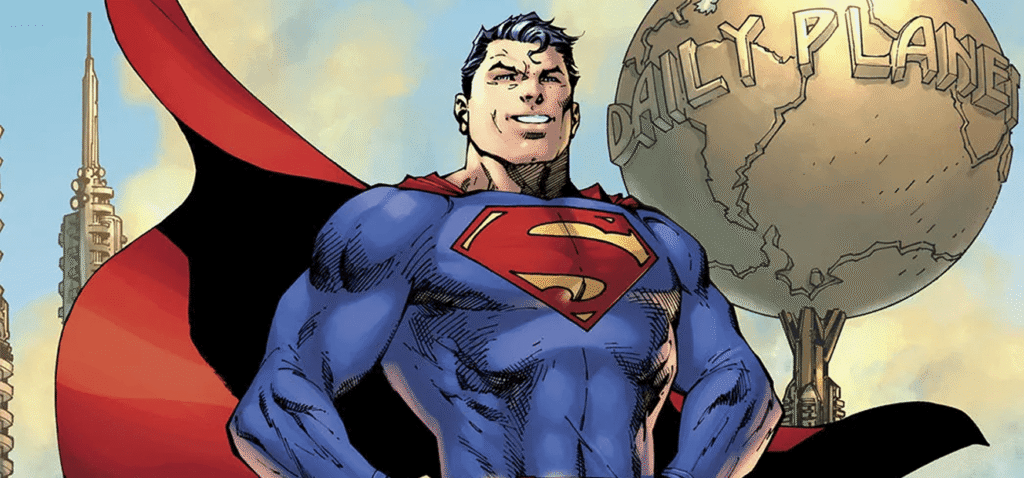
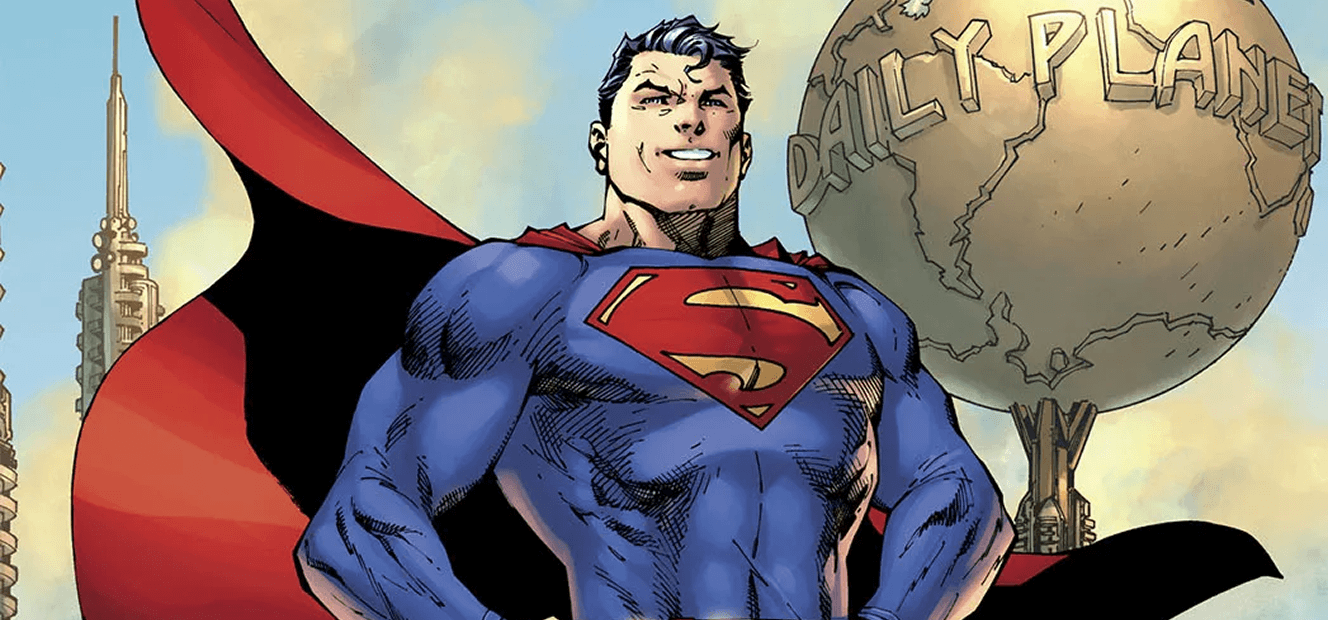
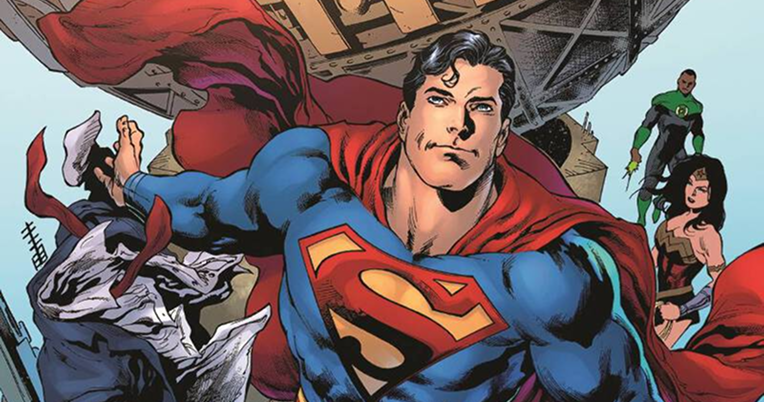
Since his debut in Action Comics #1 in 1938, Superman has stood as one of the most iconic characters in comic book history. Created by Jerry Siegel and Joe Shuster, the Man of Steel introduced the world to the modern superhero archetype—someone with extraordinary abilities who uses them to protect humanity.
Over the decades, Superman has evolved alongside society, reflecting the hopes, fears, and ideals of each generation. From his early Golden Age adventures to modern cinematic portrayals, Superman remains a symbol of hope, strength, and heroism.
Since his debut in Action Comics #1 in 1938, Superman has stood as one of the most iconic characters in comic book history. Created by Jerry Siegel and Joe Shuster, the Man of Steel introduced the world to the modern superhero archetype—someone with extraordinary abilities who uses them to protect humanity.
Over the decades, Superman has evolved alongside society, reflecting the hopes, fears, and ideals of each generation. From his early Golden Age adventures to modern cinematic portrayals, Superman remains a symbol of hope, strength, and heroism.

In the Golden Age of comics, Superman was introduced as a powerful hero fighting corruption, crime, and injustice. His abilities were impressive but far more limited compared to modern versions.
Early Superman could:
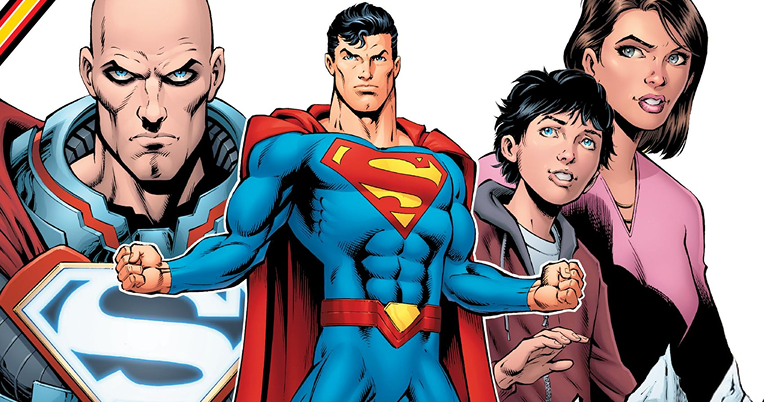
The Bronze Age brought a shift toward more grounded storytelling. Writers began exploring Superman’s humanity and the emotional complexity of his dual identity as Clark Kent.Themes of responsibility, relationships, and morality became central to many stories. Superman’s connection to Lois Lane, Jimmy Olsen, and the people of Metropolis became more prominent.
Villains also became more layered, introducing conflicts that were not purely physical but philosophical.
This era emphasized that Superman’s greatest strength wasn’t just his powers—it was his compassion.
In 1986, DC Comics rebooted Superman’s story with John Byrne’s “The Man of Steel” series, redefining the character for a modern audience.
Key changes included:
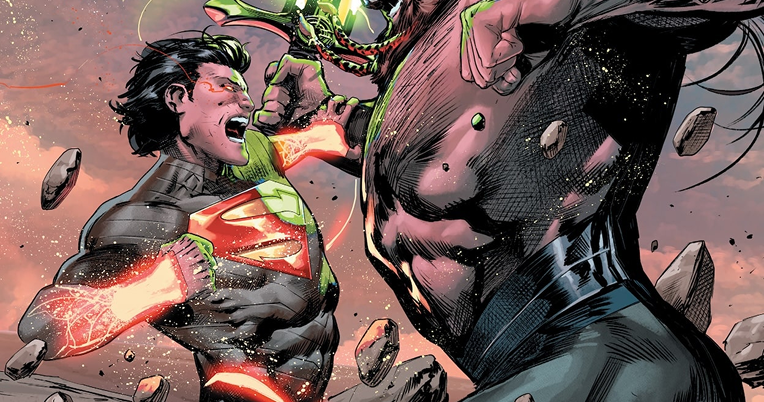
One of the most significant events of this era was The Death of Superman (1992), where Superman sacrificed himself to defeat the unstoppable villain Doomsday.
Since his debut in Action Comics #1 in 1938, Superman has stood as one of the most iconic characters in comic book history. Created by Jerry Siegel and Joe Shuster, the Man of Steel introduced the world to the modern superhero archetype—someone with extraordinary abilities who uses them to protect humanity.
Over the decades, Superman has evolved alongside society, reflecting the hopes, fears, and ideals of each generation. From his early Golden Age adventures to modern cinematic portrayals, Superman remains a symbol of hope, strength, and heroism.